Items filtered by date: May 2024
Facts About Ankle Sprains and Skateboarding

Skateboarding is an exhilarating activity that combines skill, balance, and adrenaline. However, it also comes with its fair share of risks, including the potential for ankle injuries. Ankle sprains occur when the ligaments supporting the ankle joint are overstretched or torn, often due to sudden twists or impacts. In skateboarding, these injuries commonly occur when riders land awkwardly after performing tricks or navigating uneven terrain. Factors such as inadequate footwear, lack of protective gear, and insufficient warm-up routines can further increase the risk of ankle sprains. While ankle sprains are typically mild to moderate injuries, they can still cause pain, swelling, and limited mobility, potentially sidelining skaters for weeks or even months. Proper prevention and management strategies, including supportive footwear, using ankle braces or tape, and practicing proper technique, are essential for reducing the risk of ankle sprains while enjoying the thrills of skateboarding. If you have endured an ankle sprain, it is suggested that you contact a podiatrist who can offer both a treatment plan and additional prevention strategies.
Ankle and foot injuries are common among athletes and in many sports. They can be caused by several problems and may be potentially serious. If you are feeling pain or think you were injured in a sporting event or when exercising, consult with Matthew McQuaid, DPM from Lake Mendocino Podiatry. Our doctor will assess your condition and provide you with quality foot and ankle treatment.
Common Injuries
The most common injuries that occur in sporting activities include:
- Achilles Tendonitis
- Achilles Tendon Rupture
- Ankle Sprains
- Broken Foot
- Plantar Fasciitis
- Stress Fractures
- Turf Toe
Symptoms
Symptoms vary depending upon the injury and in some cases, there may be no symptoms at all. However, in most cases, some form of symptom is experienced. Pain, aching, burning, bruising, tenderness, tightness or stiffness, sensation loss, difficulty moving, and swelling are the most common symptoms.
Treatment
Just as symptoms vary depending upon the injury, so do treatment options. A common treatment method is known as the RICE method. This method involves rest, applying ice, compression and elevating the afflicted foot or ankle. If the injury appears to be more serious, surgery might be required, such as arthroscopic or reconstructive surgery. Lastly, rehabilitation or therapy might be needed to gain full functionality in the afflicted area. Any discomfort experienced by an athlete must be evaluated by a licensed, reputable medical professional.
If you have any questions, please feel free to contact our offices located in Lakeport and Ukiah, CA . We offer the newest diagnostic and treatment technologies for all your foot care needs.
Why Live with Pain and Numbness in Your Feet?

Suffering from this type of pain? You may have the foot condition known as Morton's neuroma. Morton's neuroma may develop as a result of ill-fitting footwear and existing foot deformities. We can help.
Painful Runner's Toe
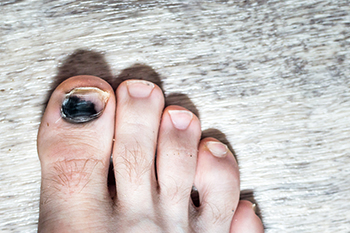
Runner’s toe, also known as black toenail or jogger's toe, is a common condition among runners and athletes. It occurs when the toes repeatedly hit the front of the shoe, causing trauma to the toenail bed. This trauma can lead to bleeding under the nail, resulting in discoloration that looks black or purple and sometimes pain. The main cause of runner’s toe is the repetitive pressure and impact experienced during running or other high-impact activities. Additionally, poorly fitting shoes or shoes that are too tight can increase pressure on the toes. The condition is more prevalent in long-distance runners or those who frequently engage in activities that involve repetitive toe movement. While runner’s toe is typically not a serious medical concern, it can be uncomfortable and may require treatment if pain or infection develops. Proper footwear can help prevent this condition, allowing runners to enjoy their sport without the discomfort of black toenails. If you have toe pain, it is suggested that you contact a podiatrist who can diagnose and treat runner’s toe.
Toe pain can disrupt your daily activities. If you have any concerns, contact Matthew McQuaid, DPM of Lake Mendocino Podiatry. Our doctor can provide the care you need to keep you pain-free and on your feet.
What Causes Toe Pain?
Most severe toe pain is caused due to a sports injury, trauma from dropping something heavy on the toe, or bumping into something rigid. Other problems can develop over time for various reasons.
Toe pain can be caused by one or more ailments. The most common include:
- Trauma
- Sports injury
- Wearing shoes that are too tight
- Arthritis
- Gout
- Corns and calluses
- Hammertoe
- Bunions
- Blisters
- Ingrown toenails
- Sprains
- Fractures (broken bones)
- Dislocations
When to See a Podiatrist
- Severe pain
- Persistent pain that lasts more than a week
- Signs of infection
- Continued swelling
- Pain that prevents walking
Diagnosis
In many cases the cause of toe pain is obvious, but in others, a podiatrist may want to use more advanced methods to determine the problem. These can range from simple visual inspections and sensation tests to X-rays and MRI scans. Prior medical history, family medical history, and any recent physical traumatic events will all be taken into consideration for a proper diagnosis.
Treatment
Treatments for toe pain and injuries vary and may include shoe inserts, padding, taping, medicines, injections, and in some cases, surgery. If you believe that you have broken a toe, please see a podiatrist as soon as possible.
If you have any questions please feel free to contact our offices located in Lakeport and Ukiah, CA . We offer the newest diagnostic tools and technology to treat your foot and ankle needs.
Symptoms of Arthritis in the Foot
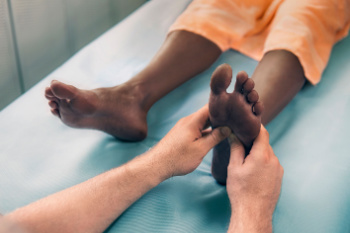 Symptoms associated with arthritis in the foot can significantly impact mobility and quality of life. Persistent pain, stiffness, and swelling in the foot and ankle joints are all symptoms of arthritis. They are usually more noticeable in the morning or after periods of inactivity. Some patients may also experience redness, warmth in the joints, or a reduced range of motion, which makes it difficult to walk or perform daily activities comfortably. A podiatrist, or foot doctor, can diagnose arthritis through a clinical examination and medical history assessment. Imaging tests such as X-rays, MRIs, or CT scans are often used to view the extent of joint damage and to distinguish between types of arthritis, like osteoarthritis or rheumatoid arthritis. Blood tests may also be conducted to check for markers of inflammation or autoimmune disorders. Understanding the specific type of arthritis that affects the foot is important to tailor the appropriate treatment and management plan. If you have arthritis in the foot, it is suggested that you consult a podiatrist for targeted care.
Arthritis can be a difficult condition to live with. If you are seeking treatment, contact Matthew McQuaid, DPM from Lake Mendocino Podiatry. Our doctor can provide the care you need to keep you pain-free and on your feet.
Arthritic Foot Care
Arthritis is a joint disorder that involves the inflammation of different joints in your body, such as those in your feet. Arthritis is often caused by a degenerative joint disease and causes mild to severe pain in all affected areas. In addition to this, swelling and stiffness in the affected joints can also be a common symptom of arthritis.
In many cases, wearing ill-fitting shoes can worsen the effects and pain of arthritis. Wearing shoes that have a lower heel and extra room can help your feet feel more comfortable. In cases of rheumatoid arthritis, the arch in your foot may become problematic. Buying shoes with proper arch support that contour to your feet can help immensely.
Alleviating Arthritic Pain
- Exercises that stretch the foot can prevent further pain and injury and increase mobility
- Most of the pain can be alleviated with anti-inflammatory drugs, heat, and topical medications
- Massages can help temporarily alleviate pain.
It is best to see your doctor for the treatment that is right for your needs and symptoms. Conditions vary, and a podiatrist can help you determine the right method of care for your feet.
If you have any questions, please feel free to contact our offices located in Lakeport and Ukiah, CA . We offer the newest diagnostic tools and technology to treat your foot and ankle needs.
How Custom Orthotics Can Help Arthritis Pain
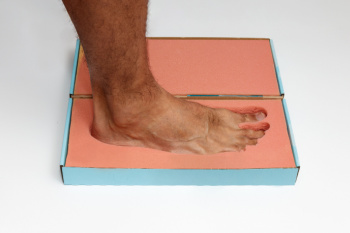
Arthritis, whether rheumatoid or osteoarthritis, can significantly impair one's quality of life, particularly when it affects the feet. Constant foot pain can hinder mobility, limit activities, and lead to physical and emotional challenges. However, custom-made orthotics can help those grappling with arthritis-related foot discomfort. Orthotics are tailor-made shoe inserts designed to alleviate pressure on specific areas of the foot, redistributing weight and promoting proper alignment. By providing support and cushioning, orthotics reduce pain and discomfort, allowing individuals to move more freely and engage in daily activities. Moreover, orthotics can help reduce the need for pain medication, offering a non-invasive alternative for managing arthritis symptoms. By improving gait and reducing strain on joints, orthotics can also play a significant role in preventing the progression of arthritis, helping individuals maintain their mobility and independence for longer. If you suffer from arthritic symptoms of the feet, it is suggested that you schedule an appointment with a podiatrist for relief options.
If you are having discomfort in your feet and would like to try orthotics, contact Matthew McQuaid, DPM from Lake Mendocino Podiatry. Our doctor can provide the care you need to keep you pain-free and on your feet.
What Are Orthotics?
Orthotics are inserts you can place into your shoes to help with a variety of foot problems such as flat feet or foot pain. Orthotics provide relief and comfort for minor foot and heel pain but can’t correct serious biomechanical problems in your feet.
Over-the-Counter Inserts
Orthotics come in a wide variety of over-the-counter inserts that are used to treat foot pain, heel pain, and minor problems. For example, arch supports can be inserted into your shoes to help correct overarched or flat feet, while gel insoles are often used because they provide comfort and relief from foot and heel pain by alleviating pressure.
Prescription Orthotics
If over-the-counter inserts don’t work for you or if you have a more severe foot concern, it is possible to have your podiatrist prescribe custom orthotics. These high-quality inserts are designed to treat problems such as abnormal motion, plantar fasciitis, and severe forms of heel pain. They can even be used to help patients suffering from diabetes by treating foot ulcers and painful calluses and are usually molded to your feet individually, which allows them to provide full support and comfort.
If you are experiencing minor to severe foot or heel pain, it’s recommended to speak with your podiatrist about the possibilities of using orthotics. A podiatrist can determine which type of orthotic is right for you and allow you to take the first steps towards being pain-free.
If you have any questions please contact our offices located in Lakeport and Ukiah, CA . We offer the newest diagnostic and treatment technologies for all your foot and ankle needs.
