Items filtered by date: March 2024
Reasons to Visit a Podiatrist

Optimal foot health is important for maintaining overall well-being, and a podiatrist is instrumental in achieving this goal. This type of foot specialist will conduct a comprehensive review of your medical history, followed by a thorough examination to diagnose the cause of your foot, toe, or ankle problems. A podiatrist can then offer a range of treatment options, which in some cases may include surgical intervention. In addition to treating more common foot ailments, like ingrown toenails or sprained ankles, many podiatrists also specialize in managing sports-related injuries, diabetic wound care, and surgery. With their expertise in ordering and interpreting diagnostic tests such as X-rays and ultrasounds, podiatrists ensure accurate diagnoses and effective treatment plans. Podiatrists can prescribe medications for pain management, as well as provide advice for ongoing or preventive care. Whether you're dealing with foot pain, or injury, or seeking preventive care, it is suggested that you make an appointment with a podiatrist.
If you are experiencing pain in the feet or ankles, don’t join the stubborn majority refusing treatment. Feel free to contact Matthew McQuaid, DPM from Lake Mendocino Podiatry. Our doctor can provide the care you need to keep you pain-free and on your feet.
What Is a Podiatrist?
Someone would seek the care of a podiatrist if they have suffered a foot injury or have common foot ailments such as heal spurs, bunions, arch problems, deformities, ingrown toenails, corns, foot and ankle problems, etc.
Podiatric Treatment
A podiatrist will treat the problematic areas of the feet, ankle or lower leg by prescribing the following:
- Physical therapy
- Drugs
- Orthotic inserts or soles
- Surgery on lower extremity fractures
A common podiatric procedure a podiatrist will use is a scanner or force plate which will allow the podiatrist to know the designs of orthotics. Patients are then told to follow a series of tasks to complete the treatment. The computer will scan the foot a see which areas show weight distribution and pressure points. The podiatrist will read the analysis and then determine which treatment plans are available.
If you have any questions please feel free to contact our offices located in Lakeport and Ukiah, CA . We offer the newest diagnostic and treatment technologies for all your foot and ankle needs.
Wounds That Don't Heal Need to Be Checked

Your feet are covered most of the day. If you're diabetic, periodic screening is important for good health. Numbness is often a sign of diabetic foot and can mask a sore or wound.
Our Feet Deserve Care
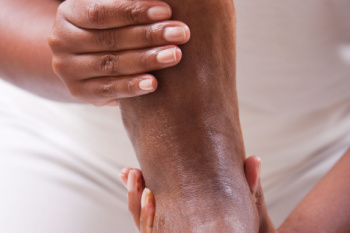
Taking care of your feet daily is essential due to their pivotal role in your overall health and well-being. Our feet support your body's weight, facilitate mobility, and enable you to carry out daily activities. Neglecting foot care over time can result in various issues, including calluses, corns, cracked heels, fungal infections, and more serious conditions like plantar fasciitis or bunions. These ailments not only cause discomfort but can also impair mobility and diminish quality of life. By prioritizing foot care and seeking professional help from a podiatrist when needed, you can ensure that our feet remain strong, healthy, and capable of supporting you throughout our lives. If you would like advice on how to take care of your feet, it is suggested that you schedule an appointment with a podiatrist who can guide you, as well as offer expertise in diagnosing and treating a wide range of foot ailments, promoting optimal foot function and overall well-being.
Everyday foot care is very important to prevent infection and other foot ailments. If you need your feet checked, contact Matthew McQuaid, DPM from Lake Mendocino Podiatry. Our doctor can provide the care you need to keep you pain-free and on your feet.
Everyday Foot Care
Often, people take care of their bodies, face and hair more so than they do for their feet. But the feet are a very important aspect of our bodies, and one that we should pay more attention to. Without our feet, we would not be able to perform most daily tasks.
It is best to check your feet regularly to make sure there are no new bruises or cuts that you may not have noticed before. For dry feet, moisturizer can easily be a remedy and can be applied as often as necessary to the affected areas. Wearing shoes that fit well can also help you maintain good foot health, as well as making it easier to walk and do daily activities without the stress or pain of ill-fitting shoes, high heels, or even flip flops. Wearing clean socks with closed shoes is important to ensure that sweat and bacteria do not accumulate within the shoe. Clean socks help to prevent Athlete’s foot, fungi problems, bad odors, and can absorb sweat.
If you have any questions please feel free to contact our offices located in Lakeport and Ukiah, CA . We offer the newest diagnostic and treatment technologies for all your foot and ankle needs.
Understanding Poor Circulation in the Feet
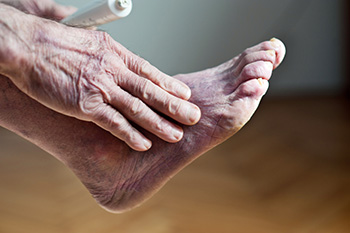
Poor circulation in the feet occurs when blood flow to the lower extremities is restricted or inadequate, leading to various symptoms and potential complications. Several factors can contribute to this condition, including peripheral artery disease, PAD, atherosclerosis, diabetes, obesity, and smoking. PAD occurs when arteries in the legs become narrowed or blocked by fatty deposits, impairing blood flow to the feet and toes. Atherosclerosis, characterized by the buildup of plaque in the arteries, can also restrict blood flow and oxygen delivery to the feet. Diabetes can damage blood vessels and nerves, further escalating circulation issues and increasing the risk of foot ulcers and infections. Symptoms of poor circulation in the feet may include cold feet, numbness or tingling, slow-healing wounds, and changes in skin color or texture. Left untreated, poor foot circulation can lead to serious complications such as foot ulcers and gangrene. Therefore, early detection and management are vital for maintaining optimal foot health and preventing complications associated with poor circulation. If you have poor foot circulation, it is strongly suggested that you consult a podiatrist who can help you to manage this condition.
Poor circulation is a serious condition and needs immediate medical attention. If you have any concerns with poor circulation in your feet contact Matthew McQuaid, DPM of Lake Mendocino Podiatry. Our doctor will treat your foot and ankle needs.
Poor Circulation in the Feet
Poor blood circulation in the feet and legs is can be caused by peripheral artery disease (PAD), which is the result of a buildup of plaque in the arteries.
Plaque buildup or atherosclerosis results from excess calcium and cholesterol in the bloodstream. This can restrict the amount of blood which can flow through the arteries. Poor blood circulation in the feet and legs are sometimes caused by inflammation in the blood vessels, known as vasculitis.
Causes
Lack of oxygen and oxygen from poor blood circulation restricts muscle growth and development. It can also cause:
- Muscle pain, stiffness, or weakness
- Numbness or cramping in the legs
- Skin discoloration
- Slower nail & hair growth
- Erectile dysfunction
Those who have diabetes or smoke are at greatest risk for poor circulation, as are those who are over 50. If you have poor circulation in the feet and legs it may be caused by PAD and is important to make changes to your lifestyle in order to reduce risk of getting a heart attack or stroke. Exercise and maintaining a healthy lifestyle will dramatically improve conditions.
As always, see a podiatrist as he or she will assist in finding a regimen that suits you. A podiatrist can also prescribe you any needed medication.
If you have any questions please feel free to contact our offices located in Lakeport and Ukiah, CA . We offer the newest diagnostic and treatment technologies for all your foot and ankle needs.
Common Symptoms and Causes of Plantar Fasciitis

Plantar fasciitis causes pain in the heel and the bottom of the foot, particularly during the first steps in the morning. This condition occurs when the plantar fascia, a thick band of tissue connecting the heel bone to the toes, becomes inflamed or strained. The primary symptom is sharp, stabbing pain near the heel, especially after long periods of standing or intense physical activity. The causes of plantar fasciitis include excessive strain on the feet, high-impact activities, flat feet, or wearing non-supportive shoes. Obesity, tight calf muscles, and aging can also increase the risk. Addressing the underlying causes through proper footwear, stretching exercises, and weight management, are vital steps in managing plantar fasciitis. If you have heel pain, it is suggested that you consult a podiatrist who can accurately diagnose plantar fasciitis and offer correct treatment options.
Plantar fasciitis can be very painful and inconvenient. If you are experiencing heel pain or symptoms of plantar fasciitis, contact Matthew McQuaid, DPM from Lake Mendocino Podiatry. Our doctor can provide the care you need to keep you pain-free and on your feet.
What Is Plantar Fasciitis?
Plantar fasciitis is the inflammation of the thick band of tissue that runs along the bottom of your foot, known as the plantar fascia, and causes mild to severe heel pain.
What Causes Plantar Fasciitis?
- Excessive running
- Non-supportive shoes
- Overpronation
- Repeated stretching and tearing of the plantar fascia
How Can It Be Treated?
- Conservative measures – anti-inflammatories, ice packs, stretching exercises, physical therapy, orthotic devices
- Shockwave therapy – sound waves are sent to the affected area to facilitate healing and are usually used for chronic cases of plantar fasciitis
- Surgery – usually only used as a last resort when all else fails. The plantar fascia can be surgically detached from the heel
While very treatable, plantar fasciitis is definitely not something that should be ignored. Especially in severe cases, speaking to your doctor right away is highly recommended to avoid complications and severe heel pain. Your podiatrist can work with you to provide the appropriate treatment options tailored to your condition.
If you have any questions please feel free to contact our offices located in Lakeport and Ukiah, CA . We offer the newest diagnostic and treatment technologies for all your foot and ankle needs.
