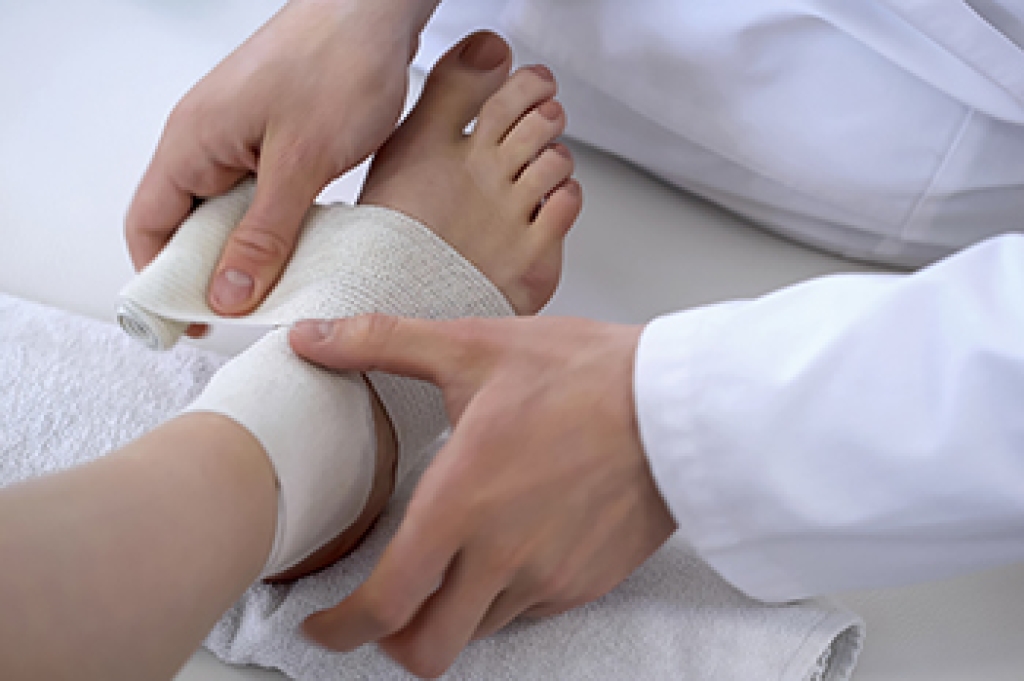
Ankle Sprain Symptoms and Podiatric Care

A sudden twist or awkward landing can turn an ordinary step into a painful ankle injury. An ankle sprain occurs when ligaments, the strong bands of tissue that connect bones and stabilize the joint, stretch beyond their limits or tear. Most sprains affect the ligaments along the outside of the ankle after the foot rolls inward. Walking on uneven ground, changing direction quickly, or missing a step increases the risk. Previous sprains also leave some people more vulnerable to another one. Symptoms include pain, swelling, and bruising. The ankle may feel stiff or unstable, and putting weight on the foot may hurt.

A podiatrist evaluates an ankle sprain by asking how the injury happened and examining the painful area. Checking tenderness, joint movement, and stability helps determine which ligaments are injured. The podiatrist also checks for signs of damage beyond the ligaments. Because a fracture sometimes causes symptoms similar to a sprain, X-rays help identify or rule out broken bones. An MRI provides a closer look at ligaments and other soft tissues when symptoms suggest a more serious injury. Difficulty bearing weight or marked swelling warrants prompt assessment. An accurate diagnosis helps guide treatment and reduces the risk of overlooking another problem.

Treatment depends on the severity of the sprain and the stability of the ankle. A podiatrist may prescribe a brace or walking boot to protect injured ligaments as they heal. The treatment plan also addresses how much weight the ankle should bear. Follow-up visits allow the podiatrist to monitor healing and guide a gradual return to activity. Persistent instability sometimes requires surgery when other treatment fails. Recovery ranges from several weeks to months, depending on the severity of the sprain. Returning to sports activity too soon raises the risk of repeated sprains and chronic pain. If you have sprained your ankle, it is suggested that you schedule an appointment with a podiatrist for effective relief and treatment solutions.

Ankle sprains are common but need immediate attention. If you need your feet checked, contact Matthew McQuaid, DPM from Lake Mendocino Podiatry. Our doctor can provide the care you need to keep you pain-free and on your feet.

How Does an Ankle Sprain Occur?

Ankle sprains take place when the ligaments in your ankle are torn or stretched beyond their limits. There are multiple ways that the ankle can become injured, including twisting or rolling over onto your ankle, putting undue stress on it, or causing trauma to the ankle itself.

What Are the Symptoms?

  • Mild to moderate bruising
  • Limited mobility
  • Swelling
  • Discoloration of the skin (depending on severity)

Preventing a Sprain

  • Wearing appropriate shoes for the occasion
  • Stretching before exercises and sports
  • Knowing your limits

Treatment of a Sprain

Treatment of a sprain depends on the severity.  Many times, people are told to rest and remain off their feet completely, while others are given an air cast. If the sprain is very severe, surgery may be required.

If you have suffered an ankle sprain previously, you may want to consider additional support such as a brace and regular exercises to strengthen the ankle.

If you have any questions please feel free to contact our offices located in Lakeport and Ukiah, CA . We offer the newest diagnostic tools and technology to treat your foot and ankle needs.

Read more about Three Grades of Ankle Sprains

Cuboid Syndrome and Midfoot Pain

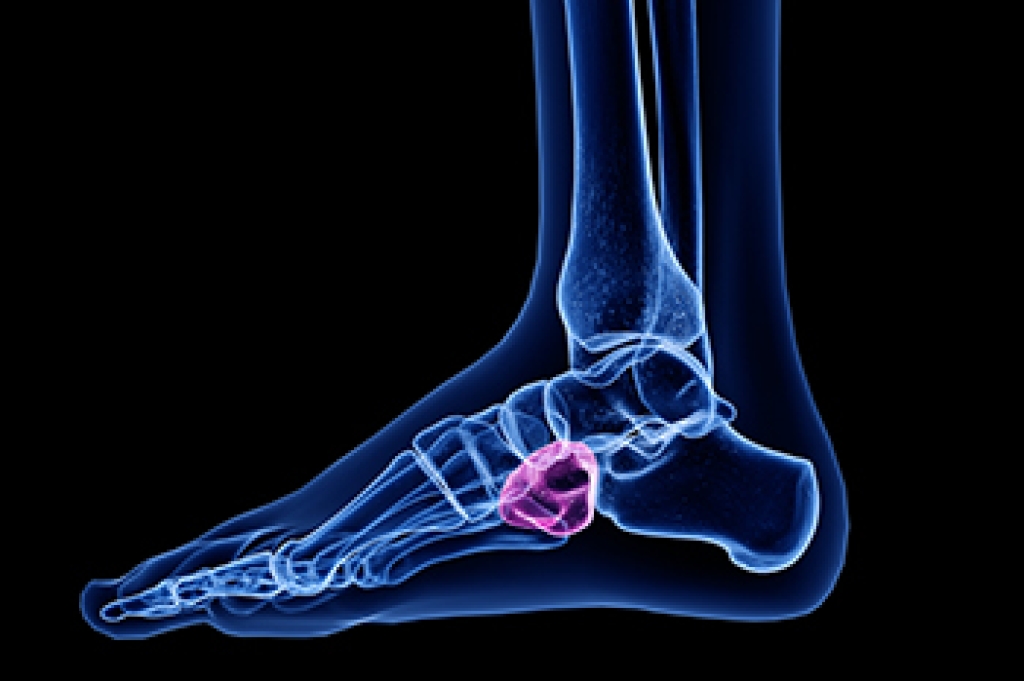
Cuboid syndrome is a source of pain along the outer middle portion of the foot. It is thought to involve a small disruption in the normal position or movement of the cuboid, a bone located on the outside of the midfoot. This change can irritate nearby ligaments, the joint capsule, and a tendon that passes beneath the cuboid. Cuboid syndrome may develop after an ankle sprain or from repeated stress on the foot. It has been reported in both athletic and non-athletic populations, although athletes may be affected more often. Because the symptoms can resemble other foot injuries, cuboid syndrome is sometimes overlooked or misdiagnosed.


Pain is usually felt directly over the cuboid and may spread toward the arch or along the outside of the foot. Some people experience pain while bearing weight, while others may notice discomfort even when the foot is resting. Swelling, redness, and tenderness may also occur. Pain can cause weakness during the push-off portion of walking, making normal movement uncomfortable. Diagnosing cuboid syndrome can be challenging because there is no single test that confirms it. X-rays, CT scans, and MRI scans generally do not show the small joint changes associated with this condition. However, imaging may be useful for ruling out fractures or other foot problems.


A podiatrist can evaluate lateral foot pain by reviewing how the symptoms began and carefully examining the painful area. The evaluation may include checking foot and ankle movement and determining whether certain motions reproduce the symptoms. Treatment may involve professional manipulation of the cuboid to restore normal joint function. Therapeutic exercise, padding, or supportive taping may also be incorporated into a treatment plan. Because several other injuries can cause similar outer-foot pain, an accurate diagnosis is important before treatment begins. If persistent pain or tenderness develops along the outside of your midfoot, it is suggested that you consult a podiatrist for an evaluation and appropriate treatment options.

Cuboid syndrome, also known as cuboid subluxation, occurs when the joints and ligaments near the cuboid bone in the foot become torn. If you have cuboid syndrome, consult with Matthew McQuaid, DPM from Lake Mendocino Podiatry. Our doctor will assess your condition and provide you with quality foot and ankle treatment.

Cuboid syndrome is a common cause of lateral foot pain, which is pain on the outside of the foot. The condition may happen suddenly due to an ankle sprain, or it may develop slowly overtime from repetitive tension through the bone and surrounding structures.

Causes

The most common causes of cuboid syndrome include:

  • Injury – The most common cause of this ailment is an ankle sprain.
  • Repetitive Strain – Tension placed through the peroneus longus muscle from repetitive activities such as jumping and running may cause excessive traction on the bone causing it to sublux.
  • Altered Foot Biomechanics – Most people suffering from cuboid subluxation have flat feet.

Symptoms

A common symptom of cuboid syndrome is pain along the outside of the foot which can be felt in the ankle and toes. This pain may create walking difficulties and may cause those with the condition to walk with a limp.

Diagnosis

Diagnosis of cuboid syndrome is often difficult, and it is often misdiagnosed. X-rays, MRIs and CT scans often fail to properly show the cuboid subluxation. Although there isn’t a specific test used to diagnose cuboid syndrome, your podiatrist will usually check if pain is felt while pressing firmly on the cuboid bone of your foot.

Treatment

Just as the range of causes varies widely, so do treatments. Some more common treatments are ice therapy, rest, exercise, taping, and orthotics.

If you have any questions, please feel free to contact our offices located in Lakeport and Ukiah, CA . We offer the newest diagnostic and treatment technologies for all your foot care needs.

Read more about Cuboid Syndrome

Heel Pain May Indicate Plantar Fasciitis

Plantar fasciitis is a cause of heel and foot pain that develops when the plantar fascia becomes irritated. This band of tissue runs along the bottom of the foot and helps support the arch while walking. Pain develops near the heel and may feel sharp after getting out of bed. Some people notice discomfort after sitting or long periods of standing. Although plantar fasciitis can improve with care, symptoms should not be ignored because they can affect movement.

Several factors can increase the risk of developing plantar fasciitis. Increased activity, standing for a long time, and unsupportive footwear may place strain on the plantar fascia. People with flat feet or high arches may experience added stress. Weight gain can increase pressure while walking, while tight calf muscles may affect normal foot mechanics. Plantar fasciitis can develop after a sudden change in exercise, such as increasing walking or running too quickly. These stresses can create irritation that leads to significant foot pain.


A podiatrist begins by reviewing your symptoms, activities, footwear, and medical history. A foot examination can identify tenderness and evaluate your walking pattern. Imaging may be recommended when another condition needs evaluation. Treatment depends on the cause and severity of your symptoms. A podiatrist may recommend supportive shoes, custom orthotics, or stretching for the calf and plantar fascia. Other options may include night splints, targeted injections, or advanced treatments, if needed. The goal is to reduce irritation and restore foot function.


Understanding why plantar fasciitis develops can make it easier to recognize symptoms and seek help before pain becomes persistent. Support and a guided approach to activity can help protect the plantar fascia. If heel pain is causing difficulty in completing daily activities, it is suggested that you consult a podiatrist for effective relief and treatment solutions.

Many people suffer from bouts of heel pain. For more information, contact Matthew McQuaid, DPM of Lake Mendocino Podiatry. Our doctor can provide the care you need to keep you pain-free and on your feet.

Causes of Heel Pain

Heel pain is often associated with plantar fasciitis. The plantar fascia is a band of tissues that extends along the bottom of the foot. A rip or tear in this ligament can cause inflammation of the tissue.

Achilles tendonitis is another cause of heel pain. Inflammation of the Achilles tendon will cause pain from fractures and muscle tearing. Lack of flexibility is also another symptom.

Heel spurs are another cause of pain. When the tissues of the plantar fascia undergo a great deal of stress, it can lead to ligament separation from the heel bone, causing heel spurs.

Why Might Heel Pain Occur?

  • Wearing ill-fitting shoes                
  • Wearing non-supportive shoes
  • Weight change           
  • Excessive running

Treatments

Heel pain should be treated as soon as possible for immediate results. Keeping your feet in a stress-free environment will help. If you suffer from Achilles tendonitis or plantar fasciitis, applying ice will reduce the swelling. Stretching before an exercise like running will help the muscles. Using all these tips will help make heel pain a condition of the past.

If you have any questions, please feel free to contact our offices located in Lakeport and Ukiah, CA . We offer the newest diagnostic and treatment technologies for all your foot care needs.

Read more about Heel Pain

Heel Pain Can Be Treated!

Do you suffer from heel pain when you get up in the morning? If so, you should seek professional help and have a proper diagnosis performed. Heel pain can be caused by several different foot-related conditions.

Understanding Sports-Related Foot and Ankle Injuries

Sports-related foot and ankle injuries can affect athletes at every level and interfere with training or competition. The foot and ankle absorb force, support body weight, and help the body change direction. Injuries can occur suddenly or develop from repeated stress. Ankle sprains are among the injuries seen in sports and can happen when the ankle rolls beyond its normal range. Stress fractures and Achilles tendon injuries can also affect active patients. Pain, swelling, and reduced movement can make it difficult to run or return to a sport safely.

The type of injury depends on the sport, playing surface, and demands placed on the foot or ankle. Repeated jumping and running places stress on bones and soft tissues. Quick changes in direction increase strain around the ankle. Some injuries involve ligaments, which are strong bands of tissue that connect bones. Others affect tendons, which connect muscles to bones. A careful evaluation is important because symptoms can overlap. What feels like a minor sprain can sometimes involve another structure or a more significant injury.

A podiatrist evaluates sports-related foot and ankle injuries by examining the painful area, movement, and stability. The exam also considers how the injury happened and which activities increase symptoms. Treatment depends on the injured structure and the severity of the problem. A podiatrist can provide immobilization or supportive devices when appropriate. Treatment can also include guided rehsabilitation exercises to restore strength and movement. A podiatrist also guides a safe return to activity and addresses factors that could increase the chance of another injury. If you have symptoms of a sports-related foot or ankle injury, it is suggested that you schedule an appointment with a podiatrist for diagnosis and treatment.

Ankle and foot injuries are common among athletes and in many sports. They can be caused by several problems and may be potentially serious. If you are feeling pain or think you were injured in a sporting event or when exercising, consult with Matthew McQuaid, DPM from Lake Mendocino Podiatry. Our doctor will assess your condition and provide you with quality foot and ankle treatment.

Common Injuries

The most common injuries that occur in sporting activities include:

  • Achilles Tendonitis
  • Achilles Tendon Rupture
  • Ankle Sprains
  • Broken Foot
  • Plantar Fasciitis
  • Stress Fractures
  • Turf Toe

Symptoms

Symptoms vary depending upon the injury and in some cases, there may be no symptoms at all. However, in most cases, some form of symptom is experienced. Pain, aching, burning, bruising, tenderness, tightness or stiffness, sensation loss, difficulty moving, and swelling are the most common symptoms.

Treatment

Just as symptoms vary depending upon the injury, so do treatment options. A common treatment method is known as the RICE method. This method involves rest, applying ice, compression and elevating the afflicted foot or ankle. If the injury appears to be more serious, surgery might be required, such as arthroscopic or reconstructive surgery. Lastly, rehabilitation or therapy might be needed to gain full functionality in the afflicted area. Any discomfort experienced by an athlete must be evaluated by a licensed, reputable medical professional.  

If you have any questions please contact our offices located in Lakeport and Ukiah, CA . We offer the newest diagnostic and treatment technologies for all your foot and ankle needs.

Read more about Sports Related Foot and Ankle Injuries
Advanced Podiatric Procedures & Services in the Lake County, CA: Lakeport (Upper Lake, Nice, Lucerne, Saratoga Springs, Witter Springs, Vann, Pepperwood Grove, Finley, Kelseyville, Highland Springs) and Mendocino County, CA: Ukiah (The Forks, Calpella, Redwood Valley, Talmage, El Roble, Largo, Vichy Springs, Orrs Springs, Laughlin) areas
Request Appointment