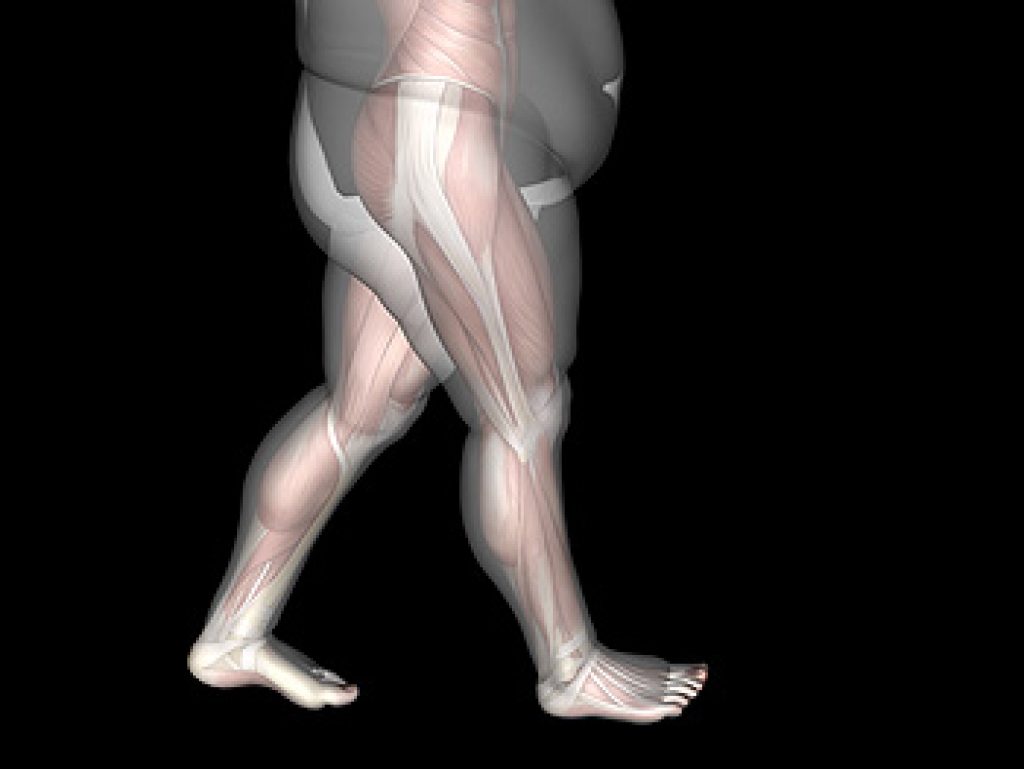
Running can improve heart health, endurance, and confidence, but running when overweight places greater force on the feet and ankles with each step. This does not mean that an overweight person should not run. A careful start can reduce strain and make this exercise more comfortable. Begin with short sessions that alternate brisk walking and easy running. Choose a flat, predictable surface rather than steep hills or uneven trails. Increase distance or speed gradually, but avoid raising both during the same week. Pain that changes your stride, causes swelling, or remains after a run deserves attention.
Proper running shoes are important because they help absorb impact and keep the feet stable. Shoes should fit the length and width of the foot without squeezing the toes or allowing the heel to slide. Replace shoes when the cushioning or tread becomes worn. Moisture-wicking socks can help limit blisters. A pre-run warmup prepares the muscles and joints for activity. Keep the pace slow enough to speak in short sentences, and schedule recovery days between runs. Stop running if sharp pain, dizziness, or unusual shortness of breath develops.
A podiatrist can examine the feet, ankles, and walking pattern before a new running program begins. The doctor can identify flat feet, limited joint movement, or areas under excess pressure. This evaluation can reveal problems that raise the chance of heel pain, tendon injuries, or stress fractures. A podiatrist can also recommend running shoes based on foot shape and gait. Custom orthotics can improve alignment and distribute pressure more evenly when appropriate. For an injury, the podiatrist can order imaging, explain activity limits, and create a plan for returning to running. Regular follow-up visits allow the doctor to check progress and adjust recommendations as mileage increases. If you are overweight and have developed foot pain while running, it is suggested that you schedule an appointment with a podiatrist for effective relief and guidance tips.
All runners should take extra precaution when trying to avoid injury. If you have any concerns about your feet, contact Matthew McQuaid, DPM of Lake Mendocino Podiatry. Our doctor will treat your foot and ankle needs.
How to Prevent Running Injuries
There are a lot of mistakes a runner can make prior to a workout that can induce injury. A lot of athletes tend to overstretch before running, instead of saving those workouts for a post-run routine. Deep lunges and hand-to-toe hamstring pulls should be performed after a workout instead of during a warmup. Another common mistake is jumping into an intense routine before your body is physically prepared for it. You should try to ease your way into long-distance running instead of forcing yourself to rush into it.
More Tips for Preventing Injury
- Incorporate Strength Training into Workouts - This will help improve the body’s overall athleticism
- Improve and Maintain Your Flexibility – Stretching everyday will help improve overall performance
- “Warm Up” Before Running and “Cool Down” Afterward – A warm up of 5-10 minutes helps get rid of lactic acid in the muscles and prevents delayed muscle soreness
- Cross-Training is Crucial
- Wear Proper Running Shoes
- Have a Formal Gait Analysis – Poor biomechanics can easily cause injury
If you have any questions, please feel free to contact our offices located in Lakeport and Ukiah, CA . We offer the newest diagnostic and treatment technologies for all your foot care needs.
