Foot and Ankle Stress Fractures Facts

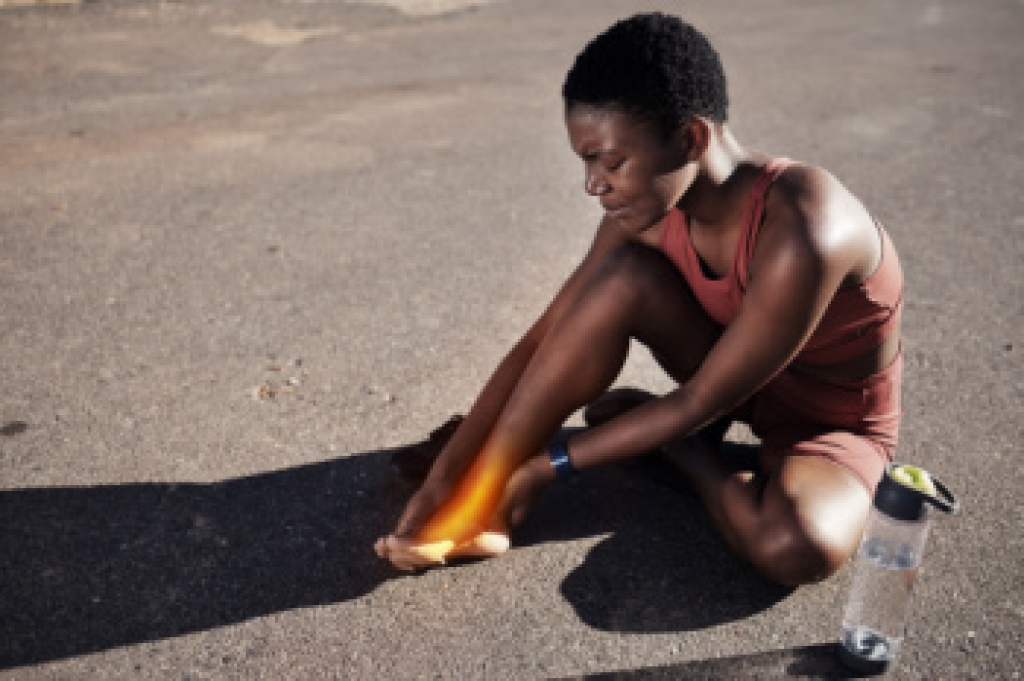
Repeated pressure on the feet and ankles can create tiny cracks in a bone called stress fractures. They differ from breaks caused by one sudden injury. Stress fractures develop when a bone cannot recover from repeated force. Runners, dancers, and athletes who suddenly increase training face a greater risk. People who spend long hours standing or walking can also be affected. Bones weakened by low bone density are more vulnerable. Stress fractures frequently occur in weight-bearing bones of the foot and lower leg. Pain usually begins in one spot and worsens with activity. Swelling and tenderness can develop near the injured bone.

Ignoring these symptoms can allow a small crack to worsen. Patients may begin to limp or have pain during daily activities. A podiatrist will ask about exercise, work demands, and changes in activity. The examination includes checking the area for swelling, tenderness, and changes in movement. X-rays may not show a stress fracture because the crack can be too small. An MRI scan or other imaging test can provide a clearer view. The podiatrist also looks for factors that place extra stress on the bone. These include foot structure, an uneven walking pattern, or shoes that lack proper support.

Treatment protects the bone so it can heal. A podiatrist may recommend a walking boot, a stiff-soled shoe, or crutches to reduce pressure. The choice depends on the fracture's location and severity. The podiatrist can explain which activities to limit and when a return is safe. Custom orthotics may improve pressure distribution and lower the risk of injury. Surgery may be needed when a fracture is unstable, has shifted, or is not healing. Follow-up visits help track healing and guide treatment changes. Returning to exercise too soon can reopen the crack or cause a complete break. If you have symptoms of a foot or ankle stress fracture, it is suggested that you schedule an appointment with a podiatrist for a diagnosis and appropriate treatment.

Stress fractures occur when there is a tiny crack within a bone. To learn more, contact Matthew McQuaid, DPM from Lake Mendocino Podiatry. Our doctor can provide the care you need to keep you pain free and on your feet.

How Are They Caused?

Stress fractures are the result of repetitive force being placed on the bone. Since the lower leg and feet often carry most of the body’s weight, stress fractures are likely to occur in these areas. If you rush into a new exercise, you are more likely to develop a stress fracture since you are starting too much, too soon.  Pain resulting from stress fractures may go unnoticed at first, however it may start to worsen over time.

Risk Factors

  • Gender – They are more commonly found in women compared to men.
  • Foot Problems – People with unusual arches in their feet are more likely to develop stress fractures.
  • Certain Sports – Dancers, gymnasts, tennis players, runners, and basketball players are more likely to develop stress fractures.
  • Lack of Nutrients – A lack of vitamin D and calcium may weaken the bones and make you more prone to stress fractures
  • Weak Bones – Osteoporosis can weaken the bones therefore resulting in stress fractures

Stress fractures do not always heal properly, so it is important that you seek help from a podiatrist if you suspect you may have one. Ignoring your stress fracture may cause it to worsen, and you may develop chronic pain as well as additional fractures.

If you have any questions please contact our offices located in Lakeport and Ukiah, CA . We offer the newest diagnostic and treatment technologies for all your foot and ankle needs.
Read more about Dealing with Stress Fractures of the Foot and Ankle

Aging and the Feet

A lifetime of standing and walking can place stress on the feet. As people age, the feet can become wider, while the arches may become lower. Skin can grow thinner and drier, and toenails can become thicker. Reduced circulation or loss of feeling can make injuries harder to notice. Arthritis can also cause stiffness in the toes, feet, and ankles. These changes can affect balance and make walking less comfortable. Regular care from a podiatrist helps older adults address concerns before they limit mobility or lead to complications.

A podiatrist can examine the feet for corns, calluses, and skin damage. The examination can identify fungal nail infections, wounds, or signs of poor blood flow. Patients with diabetes need careful monitoring because even a small sore can become infected. A podiatrist can trim thick toenails and reduce painful areas of hardened skin. Treatment can also address heel pain, flat feet, and arthritis-related discomfort. Custom orthotics can support weakened arches and improve how pressure is spread across the feet. A podiatrist can also recommend shoes with the proper fit, cushioning, and support for a patient’s needs.

Foot changes should not be dismissed as a normal part of aging. Pain, swelling, or numbness deserve professional attention. Changes in skin color also require care. The same is true for cuts that do not heal and sudden changes in walking or balance. A podiatrist can assess joint movement and foot structure. The evaluation can also include circulation and nerve function. X-rays or other tests can help identify arthritis, fractures, or hidden damage. Based on the findings, the podiatrist can create a treatment plan designed to relieve discomfort, protect the feet, and support safer movement. Routine visits are especially valuable for patients with diabetes, poor circulation, or a history of foot wounds. If you have foot problems related to aging, it is suggested that you schedule an appointment with a podiatrist for a diagnosis and appropriate treatment.

Proper foot care is something many older adults forget to consider. If you have any concerns about your feet and ankles, contact Matthew McQuaid, DPM from Lake Mendocino Podiatry. Our doctor can provide the care you need to keep you pain-free and on your feet.

The Elderly and Their Feet

As we age we start to notice many changes in our body, but the elder population may not notice them right away. Medical conditions may prevent the elderly to take notice of their foot health right away. Poor vision is a lead contributor to not taking action for the elderly.

Common Conditions 

  • Neuropathy – can reduce feeling in the feet and can hide many life-threatening medical conditions.
  • Reduced flexibility – prevents the ability of proper toenail trimming, and foot cleaning. If left untreated, it may lead to further medical issues.
  • Foot sores – amongst the older population can be serious before they are discovered. Some of the problematic conditions they may face are:
  • Gouging toenails affecting nearby toe
  • Shoes that don’t fit properly
  • Pressure sores
  • Loss of circulation in legs & feet
  • Edema & swelling of feet and ankles

Susceptible Infections

Diabetes and poor circulation can cause general loss of sensitivity over the years, turning a simple cut into a serious issue.

If you have any questions, please feel free to contact our offices located in Lakeport and Ukiah, CA . We offer the newest diagnostic and treatment technologies for all your foot care needs.

Read more about Elderly and their Feet

Reminder: When Was the Last Time...?

Custom orthotics, or shoe inserts, should be periodically replaced. Orthotics must fit properly to give you the best results. Protect your feet and ankles!

How Overweight Runners Can Protect Their Feet

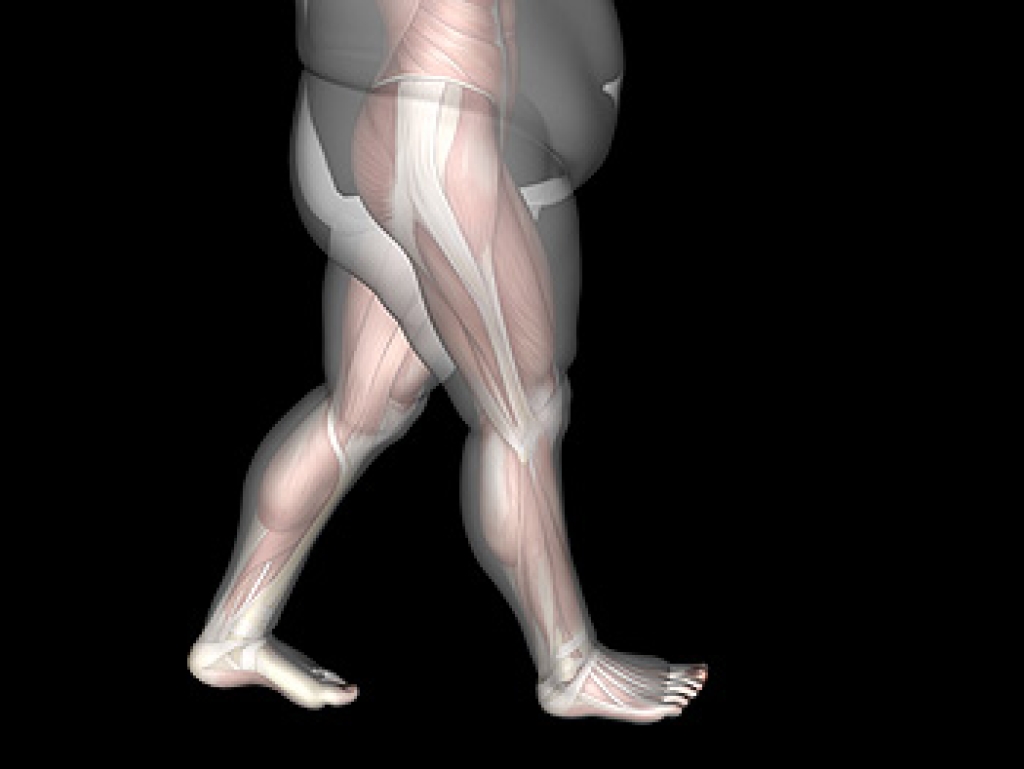
Running can improve heart health, endurance, and confidence, but running when overweight places greater force on the feet and ankles with each step. This does not mean that an overweight person should not run. A careful start can reduce strain and make this exercise more comfortable. Begin with short sessions that alternate brisk walking and easy running. Choose a flat, predictable surface rather than steep hills or uneven trails. Increase distance or speed gradually, but avoid raising both during the same week. Pain that changes your stride, causes swelling, or remains after a run deserves attention.

Proper running shoes are important because they help absorb impact and keep the feet stable. Shoes should fit the length and width of the foot without squeezing the toes or allowing the heel to slide. Replace shoes when the cushioning or tread becomes worn. Moisture-wicking socks can help limit blisters. A pre-run warmup prepares the muscles and joints for activity. Keep the pace slow enough to speak in short sentences, and schedule recovery days between runs. Stop running if sharp pain, dizziness, or unusual shortness of breath develops.

A podiatrist can examine the feet, ankles, and walking pattern before a new running program begins. The doctor can identify flat feet, limited joint movement, or areas under excess pressure. This evaluation can reveal problems that raise the chance of heel pain, tendon injuries, or stress fractures. A podiatrist can also recommend running shoes based on foot shape and gait. Custom orthotics can improve alignment and distribute pressure more evenly when appropriate. For an injury, the podiatrist can order imaging, explain activity limits, and create a plan for returning to running. Regular follow-up visits allow the doctor to check progress and adjust recommendations as mileage increases. If you are overweight and have developed foot pain while running, it is suggested that you schedule an appointment with a podiatrist for effective relief and guidance tips.

All runners should take extra precaution when trying to avoid injury. If you have any concerns about your feet, contact Matthew McQuaid, DPM of Lake Mendocino Podiatry. Our doctor will treat your foot and ankle needs.

How to Prevent Running Injuries

There are a lot of mistakes a runner can make prior to a workout that can induce injury. A lot of athletes tend to overstretch before running, instead of saving those workouts for a post-run routine. Deep lunges and hand-to-toe hamstring pulls should be performed after a workout instead of during a warmup. Another common mistake is jumping into an intense routine before your body is physically prepared for it. You should try to ease your way into long-distance running instead of forcing yourself to rush into it.

More Tips for Preventing Injury

  • Incorporate Strength Training into Workouts - This will help improve the body’s overall athleticism
  • Improve and Maintain Your Flexibility – Stretching everyday will help improve overall performance
  • “Warm Up” Before Running and “Cool Down” Afterward – A warm up of 5-10 minutes helps get rid of lactic acid in the muscles and prevents delayed muscle soreness
  • Cross-Training is Crucial
  • Wear Proper Running Shoes
  • Have a Formal Gait Analysis – Poor biomechanics can easily cause injury

If you have any questions, please feel free to contact our offices located in Lakeport and Ukiah, CA . We offer the newest diagnostic and treatment technologies for all your foot care needs.

Read more about How to Prevent Running Injuries

Causes of Ankle Pain While Walking

Ankle pain while walking can make simple activities feel difficult. The ankle supports the body and helps the foot move with each step, so pain in this area can affect balance and movement. Ankle pain can develop after an injury, but it can also have other causes. Sprains, tendon issues, and problems involving the bones or joints can all contribute to ankle discomfort. Pain may occur on one or both sides of the ankle and can range from mild soreness to sharp or severe discomfort. Swelling, stiffness, or difficulty putting weight on the foot can also occur. A podiatrist can examine the ankle and determine what could be causing the pain.

A podiatrist can assess the ankle by checking its movement, strength, and areas of tenderness. The examination helps determine whether the pain is related to an injury, a tendon, or another part of the foot and ankle. Treatment depends on the cause and severity of the symptoms. Care can include protecting the affected area, reducing stress on the ankle, and using treatment designed to improve movement and function. A podiatrist can also assess how foot structure and walking patterns affect the ankle. This can be helpful when pain continues or returns after activity. 

Ankle pain while walking should receive prompt attention when it is severe, or makes it difficult to put weight on the foot. Significant swelling, a change in the shape of the ankle, or severe pain after an injury can also require careful evaluation. A podiatrist can determine whether imaging tests or additional treatment is appropriate based on the findings. Identifying the cause of ankle pain can help guide care and reduce the chance of continued problems with movement. An evaluation is also useful when ankle pain continues without a clear injury. If you have  ankle pain while walking, it is suggested that you schedule an appointment with a podiatrist for a diagnosis and appropriate treatment.

Ankle pain can be caused by a number of problems and may be potentially serious. If you have ankle pain, consult with Matthew McQuaid, DPM from Lake Mendocino Podiatry. Our doctor will assess your condition and provide you with quality foot and ankle treatment.

Ankle pain is any condition that causes pain in the ankle. Due to the fact that the ankle consists of tendons, muscles, bones, and ligaments, ankle pain can come from a number of different conditions.

Causes

The most common causes of ankle pain include:

  • Types of arthritis (rheumatoid, osteoarthritis, and gout)
  • Ankle sprains
  • Broken ankles
  • Achilles tendonitis
  • Achilles tendon rupture
  • Stress fractures
  • Bursitis
  • Tarsal tunnel syndrome
  • Plantar fasciitis

Symptoms

Symptoms of ankle injury vary based upon the condition. Pain may include general pain and discomfort, swelling, aching, redness, bruising, burning or stabbing sensations, and/or loss of sensation.

Diagnosis

Due to the wide variety of potential causes of ankle pain, podiatrists will utilize a number of different methods to properly diagnose ankle pain. This can include asking for personal and family medical histories and of any recent injuries. Further diagnosis may include sensation tests, a physical examination, and potentially x-rays or other imaging tests.

Treatment

Just as the range of causes varies widely, so do treatments. Some more common treatments are rest, ice packs, keeping pressure off the foot, orthotics and braces, medication for inflammation and pain, and surgery.

If you have any questions please feel free to contact our offices located in Lakeport and Ukiah, CA . We offer the newest diagnostic tools and technology to treat your foot and ankle needs.

Read more about Ankle Pain
Advanced Podiatric Procedures & Services in the Lake County, CA: Lakeport (Upper Lake, Nice, Lucerne, Saratoga Springs, Witter Springs, Vann, Pepperwood Grove, Finley, Kelseyville, Highland Springs) and Mendocino County, CA: Ukiah (The Forks, Calpella, Redwood Valley, Talmage, El Roble, Largo, Vichy Springs, Orrs Springs, Laughlin) areas
Request Appointment