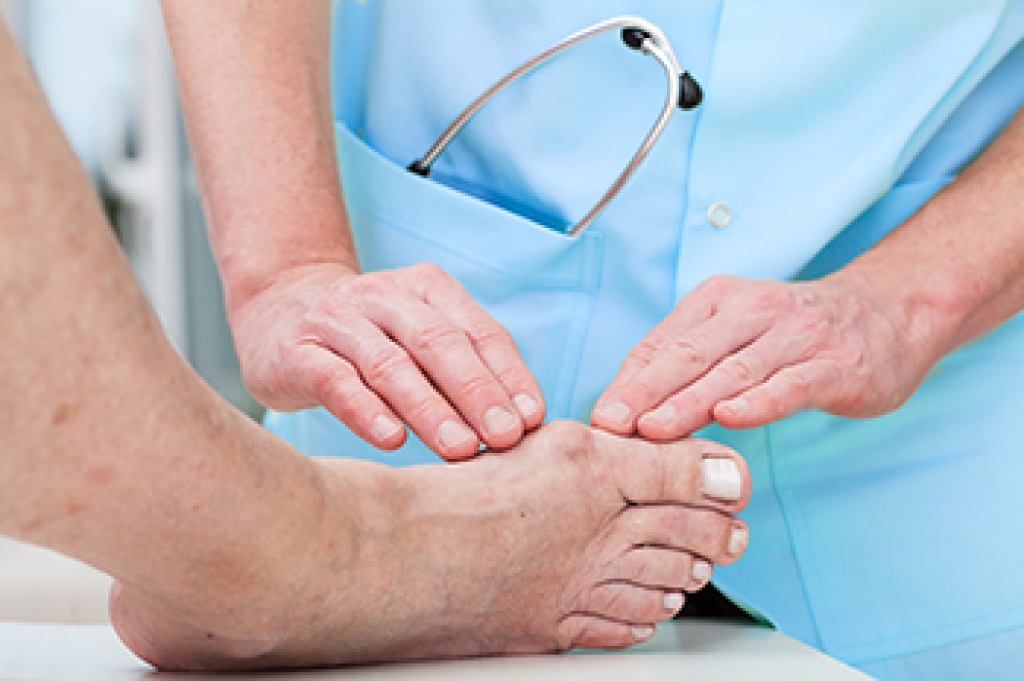
Types of Bunion Surgery

Bunions, those bony protrusions at the base of the big toe, can escalate from a minor inconvenience to a significant source of pain and discomfort over time. Fortunately, bunion surgery can help to alleviate pain and restore proper alignment of the big toe. Success rates hover around 85%, but perfect alignment and painlessness aren't guaranteed. Reduced joint flexibility, stiffness, and minor foot shortening are potential outcomes. Several surgery types exist, tailored to the severity of the bunion. Osteotomy, a common approach, involves cutting and realigning the bone. Soft tissue realignment may accompany this procedure. Arthrodesis fuses bones in the big toe joint, an option for severe deformities or advanced joint deterioration. Excision arthroplasty removes the bunion and a section of bone, creating a healing false joint. Following surgery, swelling is to be expected for several months. Elevation, crutches, and specially designed shoes will be essential during recovery, which may last approximately six months. If you have a bunion that is impeding you from performing your daily activities, it is suggested that you make an appointment with a podiatrist who can recommend the best treatment options for you.

If you are suffering from bunions, contact Matthew McQuaid, DPM of Lake Mendocino Podiatry. Our doctor can provide the care you need to keep you pain-free and on your feet.

What Is a Bunion?

A bunion is formed of swollen tissue or an enlargement of boney growth, usually located at the base joint of the toe that connects to the foot. The swelling occurs due to the bones in the big toe shifting inward, which impacts the other toes of the foot. This causes the area around the base of the big toe to become inflamed and painful.

Why Do Bunions Form?

Genetics – Susceptibility to bunions are often hereditary

Stress on the feet – Poorly fitted and uncomfortable footwear that places stress on feet, such as heels, can worsen existing bunions

How Are Bunions Diagnosed?

Podiatrists often perform two tests – blood tests and x-rays – when trying to diagnose bunions, especially in the early stages of development. Blood tests help determine if the foot pain is being caused by something else, such as arthritis, while x-rays provide a clear picture of your bone structure to your provider.

How Are Bunions Treated?

  • Refrain from wearing heels or similar shoes that cause discomfort
  • Select wider shoes that can provide more comfort and reduce pain
  • Anti-inflammatory and pain management drugs
  • Orthotics or foot inserts
  • Surgery

If you have any questions, please feel free to contact our offices located in Lakeport and Ukiah, CA . We offer the newest diagnostic and treatment technologies for all your foot care needs.

Read more about Bunions

Are Bunions Affecting Your Everyday Life?

Have you noticed a bony protrusion on the side of your big toe? If so, you may have developed the foot condition known as a bunion. Don't let bunions interfere with your daily activities.

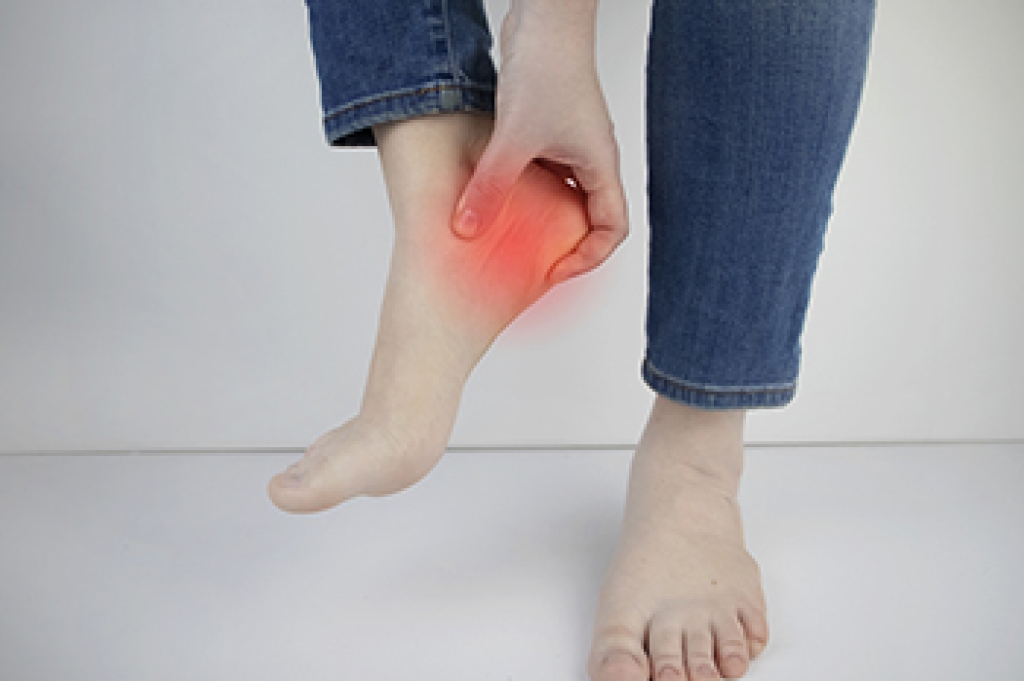
Effective Exercises for Plantar Fasciitis Relief

Plantar fasciitis is a persistent foot ailment causing discomfort and pain. Relief may be found when performing targeted exercises that are aimed at alleviating symptoms. Gentle stretching exercises play a pivotal role in relieving tension and promoting healing. Calf stretches, where the heel is lowered off an elevated surface, can effectively stretch the Achilles tendon and plantar fascia. Rolling a frozen water bottle under the arch of the foot provides a soothing massage, reducing inflammation. Towel curls, and scrunching a towel with your toes, can help to strengthen the muscles supporting the arch. Additionally, using your toes to grip and lift marbles off the floor can enhance dexterity. Consistency and proper technique are key to deriving benefits from these exercises, offering a proactive approach to easing the strain of plantar fasciitis. If you have plantar fasciitis, it is suggested that you visit a podiatrist who can provide you with additional stretching techniques.

Plantar fasciitis can be very painful and inconvenient. If you are experiencing heel pain or symptoms of plantar fasciitis, contact Matthew McQuaid, DPM  from Lake Mendocino Podiatry. Our doctor can provide the care you need to keep you pain-free and on your feet.

What Is Plantar Fasciitis?

Plantar fasciitis is the inflammation of the thick band of tissue that runs along the bottom of your foot, known as the plantar fascia, and causes mild to severe heel pain.

What Causes Plantar Fasciitis?

  • Excessive running
  • Non-supportive shoes
  • Overpronation
  • Repeated stretching and tearing of the plantar fascia

How Can It Be Treated?

  • Conservative measures – anti-inflammatories, ice packs, stretching exercises, physical therapy, orthotic devices
  • Shockwave therapy – sound waves are sent to the affected area to facilitate healing and are usually used for chronic cases of plantar fasciitis
  • Surgery – usually only used as a last resort when all else fails. The plantar fascia can be surgically detached from the heel

While very treatable, plantar fasciitis is definitely not something that should be ignored. Especially in severe cases, speaking to your doctor right away is highly recommended to avoid complications and severe heel pain. Your podiatrist can work with you to provide the appropriate treatment options tailored to your condition.

If you have any questions, please feel free to contact our offices located in Lakeport and Ukiah, CA . We offer the newest diagnostic and treatment technologies for all your foot care needs.
Read more about Plantar Fasciitis

Causes and Prevention of Morton’s Neuroma

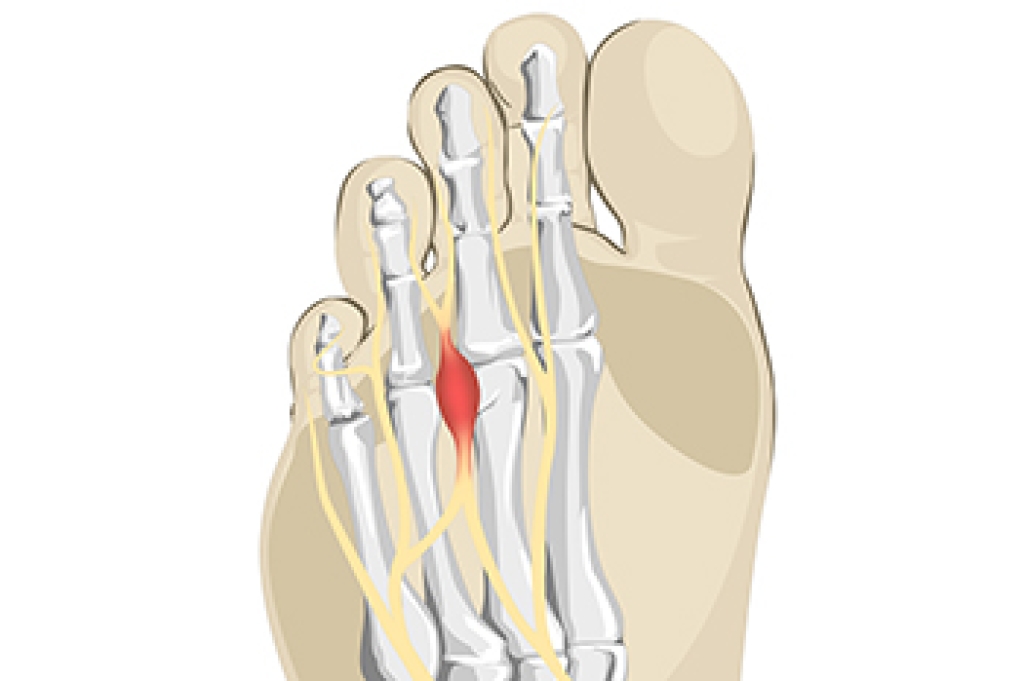
Morton's neuroma is a painful condition that affects the ball of the foot, often occurring between the third and fourth toes. It is caused by the thickening of the tissue surrounding the nerves that run between these toes, leading to irritation and inflammation. Several factors contribute to its development, including wearing tight or narrow shoes or high heels, Additionally, engaging in high impact activities that places excessive pressure on the forefoot can lead to developing Morton’s neuroma. Prevention involves wearing well fitting shoes with adequate toe room, opting for low heeled footwear, and avoiding activities that exacerbate foot discomfort. When it comes to treatment, non-invasive measures such as wearing cushioned pads or orthotic inserts, and taking anti-inflammatory medications may provide relief. In severe cases, corticosteroid injections or surgical removal of the affected tissue may be recommended to alleviate the pain and restore foot comfort. If you have pain between these toes, it is suggested that you confer with a podiatrist who can effectively diagnose and treat Morton’s neuroma

Morton’s neuroma is a very uncomfortable condition to live with. If you think you have Morton’s neuroma, contact Matthew McQuaid, DPM of Lake Mendocino Podiatry. Our doctor will attend to all of your foot care needs and answer any of your related questions.  

Morton’s Neuroma

Morton's neuroma is a painful foot condition that commonly affects the areas between the second and third or third and fourth toe, although other areas of the foot are also susceptible. Morton’s neuroma is caused by an inflamed nerve in the foot that is being squeezed and aggravated by surrounding bones.

What Increases the Chances of Having Morton’s Neuroma?

  • Ill-fitting high heels or shoes that add pressure to the toe or foot
  • Jogging, running or any sport that involves constant impact to the foot
  • Flat feet, bunions, and any other foot deformities

Morton’s neuroma is a very treatable condition. Orthotics and shoe inserts can often be used to alleviate the pain on the forefront of the feet. In more severe cases, corticosteroids can also be prescribed. In order to figure out the best treatment for your neuroma, it’s recommended to seek the care of a podiatrist who can diagnose your condition and provide different treatment options.

If you have any questions, please feel free to contact our offices located in Lakeport and Ukiah, CA . We offer the newest diagnostic and treatment technologies for all your foot care needs.
Read more about What is Morton's Neuroma?

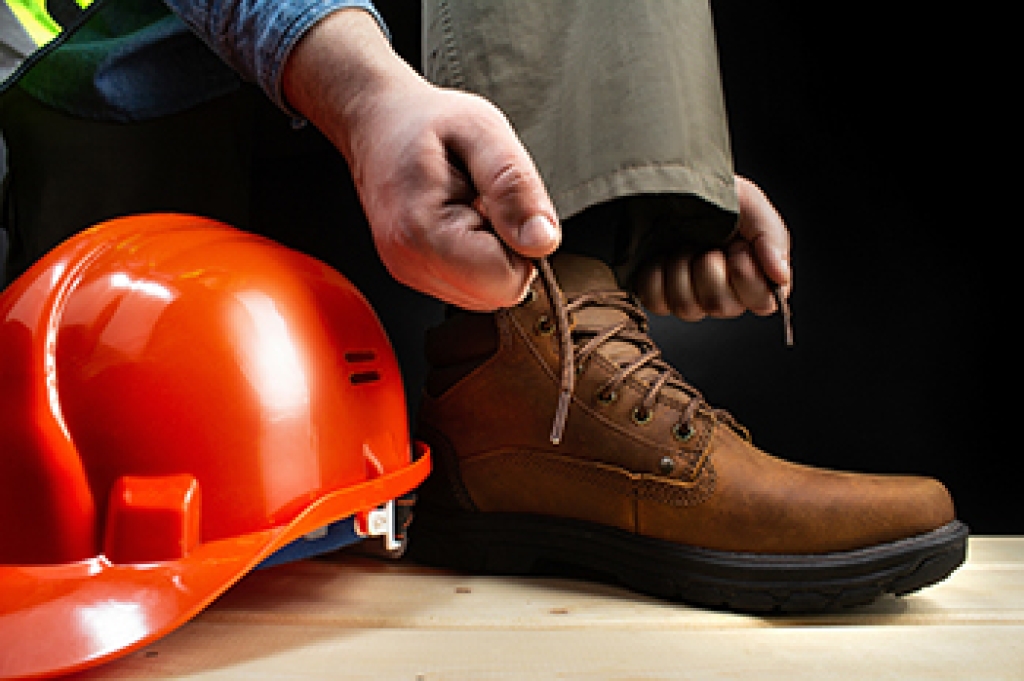
Essential Foot Protection Tips While Working

Your feet play a crucial role in your daily activities, especially at work. Whether you're in a physically demanding job or spend hours at a desk, it's essential to prioritize foot protection. It is beneficial to invest in high-quality, sturdy footwear that provides ample support and fits well. Steel-toed boots are essential to wear while working in hazardous environments. Many people choose to wear customized orthotic inserts which can enhance comfort, reduce fatigue, and prevent injuries by providing additional arch support. Additionally, be aware of slippery surfaces, sharp objects, or potential hazards that could lead to accidents. If your job involves standing or walking for long periods, taking regular breaks can help the feet to rest and avoid discomfort. Performing foot and ankle exercises can strengthen the muscles and increase flexibility, reducing the risk of strains and sprains. By prioritizing foot protection, you can maintain your overall well-being and ensure optimal performance throughout your workday. If you would like more information about foot protection during the work day, it is suggested that you consult with a podiatrist who can provide you with useful tips.

While working on the feet, it is important to take the proper care of them. For more information about working on your feet, contact Matthew McQuaid, DPM from Lake Mendocino Podiatry. Our doctor will treat your foot and ankle needs.

Working on Your Feet

Standing on your feet for long periods of time can cause stress and pain in your feet. Your whole body may experience change in terms of posture, back pain, bunions, callouses and or plantar warts. There are ways to avoid these conditions with proper foot care, smart choices and correct posture.

Positive Changes

Negative heeled shoe – Choosing this shoe type places the heel slightly lower than the ball of the foot. These are great for overall foot health. Find shoes that fit you correctly.

Go barefoot – Our feet were not designed to be enclosed for all hours of the day. Try to periodically expose your feet to air.

Eliminate Pain

Foot Exercises – Performing simple exercises, incorporating yoga and doing stretches are beneficial. This will allow increased blood flow to the area and muscles of the foot.

Achilles tendon – Stretching the foot out flat on the floor will relax the calf muscles and tendon. These exercises can be performed almost anywhere. Make sure you add these exercises to your daily regimen. 

With a little bit of this information and knowing more about foot health, you will notice changes. Foot stretches and proper footwear will help with pain and prevent further issues.

If you have any questions please contact our offices located in Lakeport and Ukiah, CA . We offer the newest diagnostic and treatment technologies for all your foot and ankle needs.

Read more about How to Handle a Long Work Day on Your Feet
scroll-to-top
Request Appointment