How a Podiatrist Diagnoses and Treats Stress Fractures

Stress fractures are tiny cracks in a bone caused by repeated force instead of a single injury. They frequently develop in the feet and lower legs because these bones absorb the impact of everyday activities and sports. Pain usually begins gradually, and becomes worse while walking, running, or exercising. It often improves with rest but returns when activity starts again. Swelling and tenderness over one specific area of the foot are also common signs. Stress fractures can be difficult to recognize during the early stages because symptoms resemble other foot problems. Early diagnosis is important because continuing normal activity can allow the crack to become larger and delay healing. Research also shows that early imaging improves diagnosis when symptoms suggest a stress fracture but standard X-rays appear normal.

Several factors increase the risk of stress fractures. A sudden increase in exercise intensity, duration, or frequency places extra strain on the bones. Foot structure and walking patterns can also affect how force is distributed across the feet. Low bone strength can further increase the chance of injury. A podiatrist carefully examines the painful area, reviews activity levels, and evaluates foot alignment to identify possible causes. X-rays are usually the first imaging test, although they do not always detect an early stress fracture. An MRI scan provides a more detailed view and can confirm the diagnosis when symptoms continue despite normal X-ray findings.

A podiatrist creates a treatment plan that protects the injured bone while it heals. Treatment includes reducing stress on the affected foot, wearing supportive shoes, and custom orthotics, when appropriate. Regular follow-up visits allow healing to be monitored and help determine when normal activities can safely resume. Early care reduces the risk of a complete fracture and other complications. Prompt treatment also supports a smoother recovery and a safer return to daily activities. If you have symptoms of stress fractures, it is suggested that you schedule an appointment with a podiatrist for effective relief and treatment solutions. 

Activities where too much pressure is put on the feet can cause stress fractures. To learn more, contact Matthew McQuaid, DPM from Lake Mendocino Podiatry. Our doctor can provide the care you need to keep your pain free and on your feet.

Dealing with Stress Fractures of the Foot and Ankle

Stress fractures occur in the foot and ankle when muscles in these areas weaken from too much or too little use.  The feet and ankles then lose support when walking or running from the impact of the ground. Since there is no protection, the bones receive the full impact of each step. Stress on the feet can cause cracks to form in the bones, thus creating stress fractures.

What Are Stress Fractures?

Stress fractures occur frequently in individuals whose daily activities cause great impact on the feet and ankles. Stress factors are most common among:

  • Runners                                
  • People affected with Osteoporosis
  • Tennis or basketball players
  • Gymnasts
  • High impact workouts

Symptoms

Pain from the fractures occur in the area of the fractures and can be constant or intermittent. It will often cause sharp or dull pain with swelling and tenderness. Engaging in any kind of activity which involves high impact will aggravate pain.

If you have any questions please contact our offices located in Lakeport and Ukiah, CA . We offer the newest diagnostic and treatment technologies for all your foot and ankle needs.
Read more about Stress Fractures of the Foot and Ankle

Cuboid Syndrome and Lateral Foot Pain

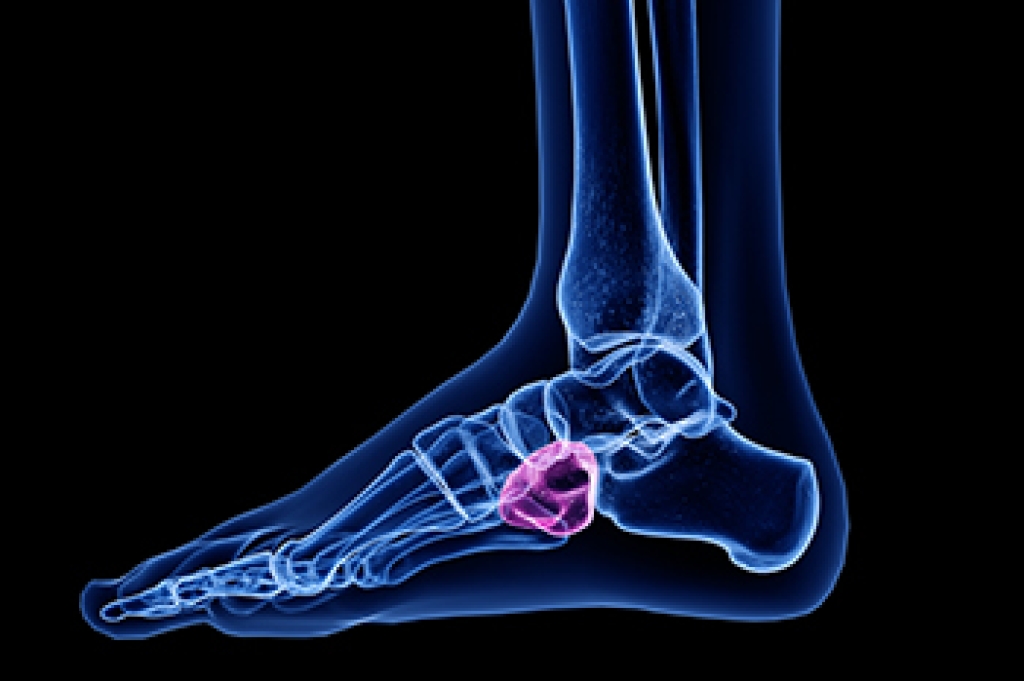
Cuboid syndrome is a condition that affects the cuboid bone, which is located on the outer side of the foot. This small but important bone plays a key role in stabilizing the foot and supporting proper movement during walking and running. It acts as a connector between the midfoot and the outer column of the foot, helping to maintain balance and absorb force. When the cuboid becomes misaligned or irritated, it can lead to pain and reduced mobility.

Symptoms of cuboid syndrome often include sharp or aching pain along the outer edge of the foot. Individuals may notice discomfort when bearing weight, walking, or pushing off during activity. Swelling, tenderness, and weakness in the foot may also occur. Risk factors include repetitive strain, ankle sprains, wearing improper footwear, and activities that involve sudden directional changes. Athletes and individuals with flat feet or unstable gait patterns may be more prone to this condition.

The causes of cuboid syndrome are typically linked to mechanical stress or injury. A sudden inversion ankle injury can shift the cuboid out of its normal position. Overuse from high impact activities such as running or jumping can also contribute to irritation. Wearing unsupportive shoes may increase strain on the lateral foot and worsen symptoms. Understanding these contributing factors is important for both prevention and effective management.

The key takeaway is that cuboid syndrome can significantly impact daily movement if left untreated. Early recognition of symptoms and proper care can help restore function and relieve pain. Wearing supportive footwear and modifying activity play an important role in recovery. If you have pain in the outside of your foot, it is suggested that you consult a podiatrist who can accurately diagnose and treat cuboid syndrome.

Cuboid syndrome, also known as cuboid subluxation, occurs when the joints and ligaments near the cuboid bone in the foot become torn. If you have cuboid syndrome, consult with Matthew McQuaid, DPM from Lake Mendocino Podiatry. Our doctor will assess your condition and provide you with quality foot and ankle treatment.

Cuboid syndrome is a common cause of lateral foot pain, which is pain on the outside of the foot. The condition may happen suddenly due to an ankle sprain, or it may develop slowly overtime from repetitive tension through the bone and surrounding structures.

Causes

The most common causes of cuboid syndrome include:

  • Injury – The most common cause of this ailment is an ankle sprain.
  • Repetitive Strain – Tension placed through the peroneus longus muscle from repetitive activities such as jumping and running may cause excessive traction on the bone causing it to sublux.
  • Altered Foot Biomechanics – Most people suffering from cuboid subluxation have flat feet.

Symptoms

A common symptom of cuboid syndrome is pain along the outside of the foot which can be felt in the ankle and toes. This pain may create walking difficulties and may cause those with the condition to walk with a limp.

Diagnosis

Diagnosis of cuboid syndrome is often difficult, and it is often misdiagnosed. X-rays, MRIs and CT scans often fail to properly show the cuboid subluxation. Although there isn’t a specific test used to diagnose cuboid syndrome, your podiatrist will usually check if pain is felt while pressing firmly on the cuboid bone of your foot.

Treatment

Just as the range of causes varies widely, so do treatments. Some more common treatments are ice therapy, rest, exercise, taping, and orthotics.

If you have any questions, please feel free to contact our offices located in Lakeport and Ukiah, CA . We offer the newest diagnostic and treatment technologies for all your foot care needs.

Read more about All About Cuboid Syndrome

Why Toe Pain May Be Linked to Arthritis and Joint Inflammation

Toe pain is a common complaint that can affect daily movement, balance, and comfort. It is defined as discomfort that occurs in one or more of the toe joints, often caused by inflammation, structural changes, or underlying medical conditions. One of the most frequent causes of persistent toe pain is arthritis, which involves joint inflammation that leads to stiffness, swelling, and reduced mobility. When arthritis develops in the toes, it can interfere with walking and standing, especially if left untreated.

Symptoms of toe arthritis often begin with mild discomfort but can progress over time. Common signs include joint stiffness, redness, and a limited range of motion. Many patients report pain that worsens with activity and improves with rest. Inflammation may also cause the toes to feel warm or tender to the touch. As the condition advances, deformities or changes in toe alignment may occur, making it more difficult to wear shoes comfortably.


There are several types of arthritis that can affect the toes. Rheumatoid arthritis is an autoimmune condition that causes joint inflammation and damage. Gout is another common form, resulting from the buildup of uric acid crystals in the joint, often leading to sudden and severe pain. Psoriatic arthritis is associated with skin conditions and can affect the toes with swelling and stiffness. Infectious arthritis, although less common, occurs when bacteria enter the joint and cause inflammation. Risk factors include age, family history, obesity, prior joint injuries, and chronic conditions such as diabetes.


Understanding the cause of toe pain is essential for proper treatment and long term relief. Management may include anti-inflammatory care, footwear modification, orthotics, and lifestyle changes to reduce joint stress. Early diagnosis can help prevent further joint damage and improve mobility. If you have toe pain, it may be toe arthritis, and it is strongly suggested that you consult a podiatrist for an accurate diagnosis and effective relief and management solutions.

Toe pain can disrupt your daily activities. If you have any concerns, contact Matthew McQuaid, DPM of Lake Mendocino Podiatry. Our doctor can provide the care you need to keep you pain-free and on your feet.

What Causes Toe Pain?

Most severe toe pain is caused due to a sports injury, trauma from dropping something heavy on the toe, or bumping into something rigid. Other problems can develop over time for various reasons.

Toe pain can be caused by one or more ailments. The most common include:

  • Trauma
  • Sports injury
  • Wearing shoes that are too tight
  • Arthritis
  • Gout
  • Corns and calluses
  • Hammertoe
  • Bunions
  • Blisters
  • Ingrown toenails
  • Sprains
  • Fractures (broken bones)
  • Dislocations

When to See a Podiatrist

  • Severe pain
  • Persistent pain that lasts more than a week
  • Signs of infection
  • Continued swelling
  • Pain that prevents walking

Diagnosis

In many cases the cause of toe pain is obvious, but in others, a podiatrist may want to use more advanced methods to determine the problem. These can range from simple visual inspections and sensation tests to X-rays and MRI scans. Prior medical history, family medical history, and any recent physical traumatic events will all be taken into consideration for a proper diagnosis.

Treatment

Treatments for toe pain and injuries vary and may include shoe inserts, padding, taping, medicines, injections, and in some cases, surgery. If you believe that you have broken a toe, please see a podiatrist as soon as possible.

If you have any questions please contact our offices located in Lakeport and Ukiah, CA . We offer the newest diagnostic and treatment technologies for all your foot and ankle needs.

Read more about Toe Pain

Painful Growth on Your Foot May Be a Plantar Wart

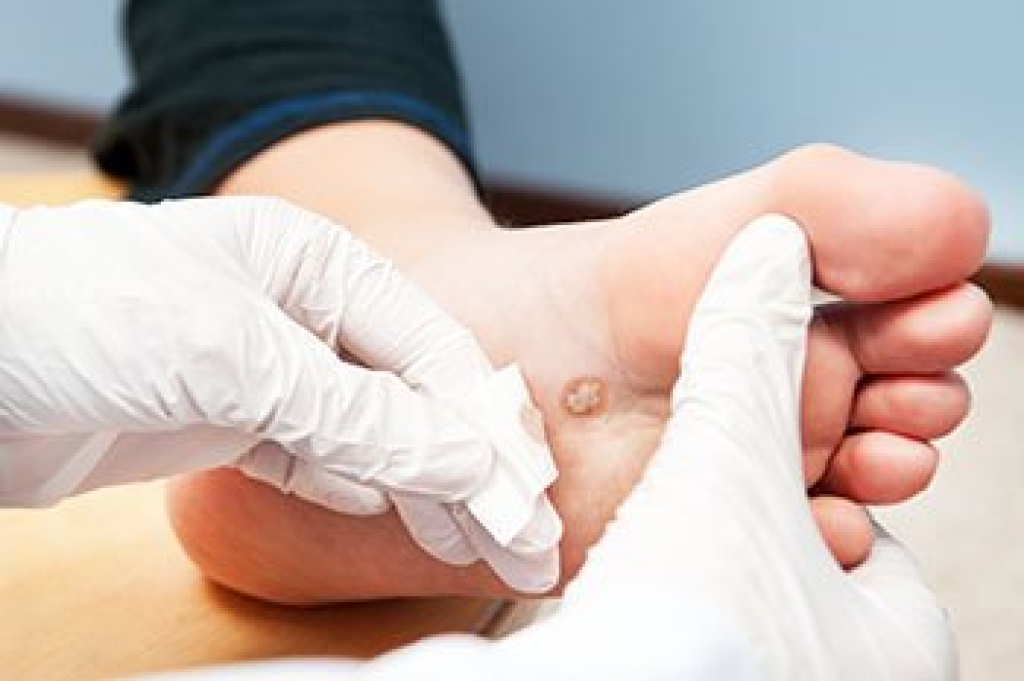
Plantar warts are small, rough growths that form on the bottom of the foot. They are caused by HPV, which stands for human papillomavirus. This virus can enter through tiny cuts or weak spots in the skin. These warts are frequently found on the heel or ball of the foot because those areas take the most pressure. That pressure can push the wart inward under thick, hardened skin. A plantar wart can look like a callus, but it can also have tiny black dots. These dots are small, clotted blood vessels, not seeds. Pain can occur when standing or when walking, especially if the wart is in a weight-bearing spot.

Plantar warts can spread on the same foot, and some people develop a cluster which are called mosaic warts. The virus grows well in warm, moist places like locker rooms, pool areas, and shared showers. Children, teenagers, and people with weaker immune systems are more likely to get them. A podiatrist can tell whether the growth is a wart, a corn, or another skin problem. This matters because different foot growths need different care. The podiatrist examines the skin lines, checks for tenderness, and looks for signs that the wart has grown inward. A clear diagnosis helps prevent delays in treatment.

Professional treatment focuses on removing the wart safely and reducing pain. A podiatrist can trim thick skin from the area, apply medicine in the office, or use freezing treatment. Some patients need repeated visits because plantar warts can be stubborn. Your podiatrist can also check whether the wart is changing your step and causing strain in other areas of the foot. This is important because pain can affect posture, balance, and daily activity. Patients with diabetes, poor feeling in the feet, or a weak immune system should seek care promptly. If you have developed a plantar wart, it is suggested that you schedule an appointment with a podiatrist for diagnosis and appropriate treatment.

Plantar warts can be very uncomfortable. If you need your feet checked, contact Matthew McQuaid, DPM from Lake Mendocino Podiatry. Our doctor will assist you with all of your foot and ankle needs.

About Plantar Warts

Plantar warts are the result of HPV, or human papillomavirus, getting into open wounds on the feet. They are mostly found on the heels or balls of the feet.

While plantar warts are generally harmless, those experiencing excessive pain or those suffering from diabetes or a compromised immune system require immediate medical care. Plantar warts are easily diagnosed, usually through scraping off a bit of rough skin or by getting a biopsy.

Symptoms

  • Lesions on the bottom of your feet, usually rough and grainy
  • Hard or thick callused spots
  • Wart seeds, which are small clotted blood vessels that look like little black spots
  • Pain, discomfort, or tenderness of your feet when walking or standing

Treatment

  • Freezing
  • Electric tool removal
  • Laser Treatment
  • Topical Creams (prescription only)
  • Over-the-counter medications

To help prevent developing plantar warts, avoid walking barefoot over abrasive surfaces that can cause cuts or wounds for HPV to get into. Avoiding direct contact with other warts, as well as not picking or rubbing existing warts, can help prevent the further spread of plantar warts. However, if you think you have developed plantar warts, speak to your podiatrist. He or she can diagnose the warts on your feet and recommend the appropriate treatment options.

If you have any questions, please feel free to contact our offices located in Lakeport and Ukiah, CA . We offer the newest diagnostic and treatment technologies for all your foot care needs.

Read more about Plantar Warts
Advanced Podiatric Procedures & Services in the Lake County, CA: Lakeport (Upper Lake, Nice, Lucerne, Saratoga Springs, Witter Springs, Vann, Pepperwood Grove, Finley, Kelseyville, Highland Springs) and Mendocino County, CA: Ukiah (The Forks, Calpella, Redwood Valley, Talmage, El Roble, Largo, Vichy Springs, Orrs Springs, Laughlin) areas
Request Appointment