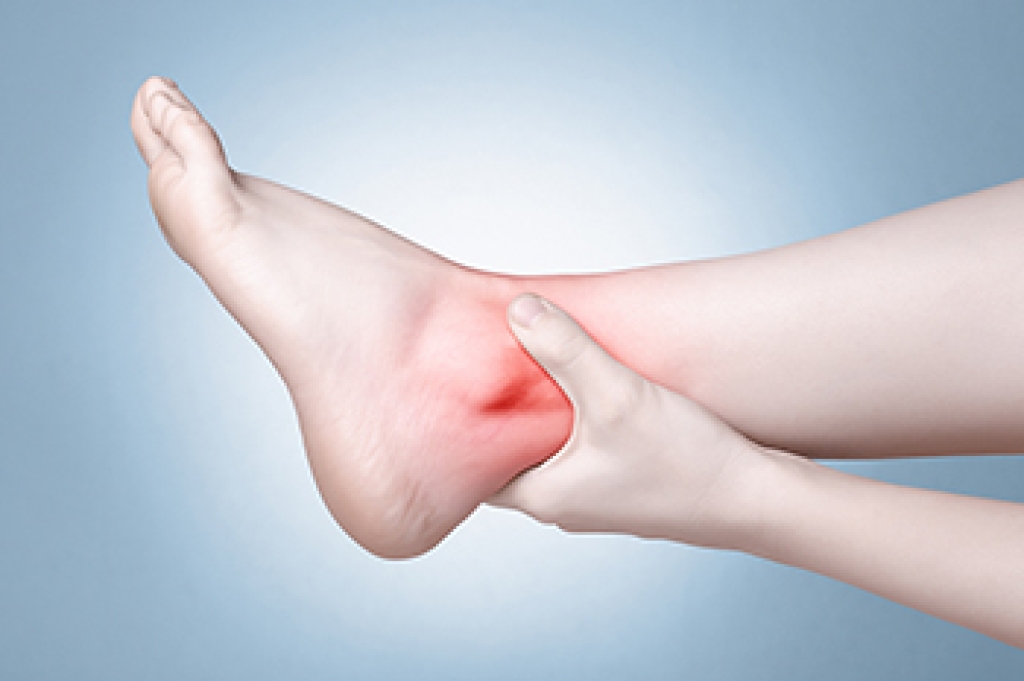
How Podiatry Helps With Ankle Pain

Ankle pain is a common problem that can affect people of all ages and activity levels. The ankle is a complex joint that supports body weight and helps with movement, making it vulnerable to injury and wear-and-tear. Ankle pain may develop suddenly after a sprain or twist, or it can appear gradually over time. Common causes include ligament injuries, tendon problems, arthritis, and overuse-related conditions. Symptoms can vary but often include pain, swelling, stiffness, or difficulty walking. Some people may also notice instability in the ankle, making it harder to move with confidence. Because ankle pain can have many causes, a professional evaluation is important for determining the source of the problem.


In some cases, ankle pain may interfere with work, exercise, sports, and daily activities. Persistent ankle pain should not be ignored, especially if symptoms continue to worsen or limit mobility. Conditions affecting the ankle can sometimes lead to changes in walking patterns, which may place added stress on the feet, knees, and other joints. Early diagnosis can help identify whether the pain is related to a sports injury, joint condition, tendon issue, or another underlying problem. Understanding the cause of ankle pain is often the first step toward effective treatment and improved function.


A podiatrist is a foot and ankle specialist trained to diagnose and treat ankle pain and related conditions. During an evaluation, a podiatrist can assess the ankle joint, review symptoms, and recommend appropriate treatment options based on the underlying cause. Treatment plans are designed to reduce pain, improve mobility, and help prevent future complications. Seeking timely podiatry care may improve outcomes and support a faster return to normal activities. If you are experiencing ankle pain, swelling, stiffness, instability, or difficulty walking, it is suggested that you consult a podiatrist for a comprehensive evaluation and appropriate treatment options.

Ankle pain can have many different causes and the pain may potentially be serious. If you have ankle pain, consult with Matthew McQuaid, DPM from Lake Mendocino Podiatry. Our doctor will assess your condition and provide you with quality foot and ankle treatment.

Ankle pain is any condition that causes pain in the ankle. Due to the fact that the ankle consists of tendons, muscles, bones, and ligaments, ankle pain can come from a number of different conditions.

Causes

The most common causes of ankle pain include:

  • Types of arthritis (rheumatoid, osteoarthritis, and gout)
  • Ankle sprains
  • Broken ankles
  • Achilles tendinitis
  • Achilles tendon rupture
  • Stress fractures
  • Tarsal tunnel syndrome
  • Plantar fasciitis

Symptoms

Symptoms of ankle injury vary based upon the condition. Pain may include general pain and discomfort, swelling, aching, redness, bruising, burning or stabbing sensations, and/or loss of sensation.

Diagnosis

Due to the wide variety of potential causes of ankle pain, podiatrists will utilize a number of different methods to properly diagnose ankle pain. This can include asking for personal and family medical histories and of any recent injuries. Further diagnosis may include sensation tests, a physical examination, and potentially x-rays or other imaging tests.

Treatment

Just as the range of causes varies widely, so do treatments. Some more common treatments are rest, ice packs, keeping pressure off the foot, orthotics and braces, medication for inflammation and pain, and surgery.

If you have any questions please feel free to contact our offices located in Lakeport and Ukiah, CA . We offer the newest diagnostic tools and technology to treat your foot and ankle needs.

Read more about Various Causes of Ankle Pain

Why Corns and Calluses Develop

Corns and calluses are areas of thickened skin that form when the foot experiences repeated pressure or friction. This is the body’s way of protecting the skin, but the buildup can become painful. Corns are usually smaller and often develop on or between the toes, while calluses tend to be broader and commonly appear on the bottom of the foot. Wearing poorly fitting shoes, foot deformities, walking mechanics, and repeated stress from daily activity can all contribute. Although these areas may seem minor, ongoing pressure can lead to discomfort, skin breakdown, and difficulty walking, especially in people with diabetes or circulation concerns. Treatment focuses on reducing the source of pressure, improving foot support, and safely managing thickened skin. Simply trimming the skin at home does not address the underlying cause. If painful thickened skin continues to return, it is suggested that you visit a podiatrist for proper evaluation and appropriate treatment.

If you have any concerns regarding your feet and ankles, contact Matthew McQuaid, DPM of Lake Mendocino Podiatry. Our doctor will treat your foot and ankle needs.

Corns: What Are They? and How Do You Get Rid of Them?
Corns can be described as areas of the skin that have thickened to the point of becoming painful or irritating. They are often layers and layers of the skin that have become dry and rough, and are normally smaller than calluses.

Ways to Prevent Corns
There are many ways to get rid of painful corns such as wearing:

  • Well-fitting socks
  • Comfortable shoes that are not tight around your foot
  • Shoes that offer support

Treating Corns
Treatment of corns involves removing the dead skin that has built up in the specific area of the foot. Consult with Our doctor to determine the best treatment option for your case of corns.

If you have any questions, please feel free to contact our offices located in Lakeport and Ukiah, CA . We offer the newest diagnostic and treatment technologies for all your foot care needs.

Read more about Corns: What Are They, and How Do You Get Rid of Them

Gout Pain Can Be Managed

Gout is a painful, inflammatory form of arthritis. Those affected will typically feel an intense stiffness in the joints of their feet, particularly in the big toe. Schedule a visit to learn about how gout can be managed and treated.

Foot Wounds in Non-Diabetic Patients

Foot wounds in non-diabetic patients can develop from cuts, pressure, or trauma that damages the skin and underlying tissue. These wounds often appear as open sores that may be red, swollen, and painful to the touch. In some cases, there may be drainage or slow healing, especially if the area continues to be irritated by walking or footwear. Causes include accidental injuries, repetitive friction, poorly fitting shoes, and underlying circulation issues. Risk factors such as long periods of standing, active lifestyles, or untreated skin irritation can increase the chance of developing a wound. If not properly treated, the condition may worsen and lead to infection or delayed healing. A podiatrist can assess the wound, clean and dress it appropriately, and monitor healing progress to prevent complications. If you have a foot wound, it is strongly suggested that you promptly consult a podiatrist who can offer effective relief and treatment solutions.

Wound care is an important part in dealing with diabetes. If you have diabetes and a foot wound or would like more information about wound care for diabetics, consult with Matthew McQuaid, DPM from Lake Mendocino Podiatry. Our doctor will assess your condition and provide you with quality foot and ankle treatment.

What Is Wound Care?

Wound care is the practice of taking proper care of a wound. This can range from the smallest to the largest of wounds. While everyone can benefit from proper wound care, it is much more important for diabetics. Diabetics often suffer from poor blood circulation which causes wounds to heal much slower than they would in a non-diabetic. 

What Is the Importance of Wound Care?

While it may not seem apparent with small ulcers on the foot, for diabetics, any size ulcer can become infected. Diabetics often also suffer from neuropathy, or nerve loss. This means they might not even feel when they have an ulcer on their foot. If the wound becomes severely infected, amputation may be necessary. Therefore, it is of the upmost importance to properly care for any and all foot wounds.

How to Care for Wounds

The best way to care for foot wounds is to prevent them. For diabetics, this means daily inspections of the feet for any signs of abnormalities or ulcers. It is also recommended to see a podiatrist several times a year for a foot inspection. If you do have an ulcer, run the wound under water to clear dirt from the wound; then apply antibiotic ointment to the wound and cover with a bandage. Bandages should be changed daily and keeping pressure off the wound is smart. It is advised to see a podiatrist, who can keep an eye on it.

If you have any questions please contact our offices located in Lakeport and Ukiah, CA . We offer the newest diagnostic and treatment technologies for all your foot and ankle needs.

Read more about Wound Care

Sudden Achilles Tendon Rupture

An Achilles tendon rupture is a serious injury where the strong band connecting the calf muscle to the heel tears completely or partially. It often happens during sudden movements such as jumping, sprinting, or quickly changing direction. Many people describe a sharp pain or a popping sensation in the back of the ankle, followed by difficulty walking or pushing off the foot. Causes may include overuse, tight calf muscles, or weakened tendon tissue over time. The injury can appear without warning, even in people who are active but not conditioned properly. A podiatrist can confirm the diagnosis through examination and imaging, then guide treatment which may include bracing, immobilization, or surgical repair to restore strength and function. If you have injured your Achilles tendon, it is strongly suggested that you visit a podiatrist.

Achilles tendon injuries need immediate attention to avoid future complications. If you have any concerns, contact Matthew McQuaid, DPM of Lake Mendocino Podiatry. Our doctor can provide the care you need to keep you pain-free and on your feet.

What Is the Achilles Tendon?

The Achilles tendon is a tendon that connects the lower leg muscles and calf to the heel of the foot. It is the strongest tendon in the human body and is essential for making movement possible. Because this tendon is such an integral part of the body, any injuries to it can create immense difficulties and should immediately be presented to a doctor.

What Are the Symptoms of an Achilles Tendon Injury?

There are various types of injuries that can affect the Achilles tendon. The two most common injuries are Achilles tendinitis and ruptures of the tendon.

Achilles Tendinitis Symptoms

  • Inflammation
  • Dull to severe pain
  • Increased blood flow to the tendon
  • Thickening of the tendon

Rupture Symptoms

  • Extreme pain and swelling in the foot
  • Total immobility

Treatment and Prevention

Achilles tendon injuries are diagnosed by a thorough physical evaluation, which can include an MRI. Treatment involves rest, physical therapy, and in some cases, surgery. However, various preventative measures can be taken to avoid these injuries, such as:

  • Thorough stretching of the tendon before and after exercise
  • Strengthening exercises like calf raises, squats, leg curls, leg extensions, leg raises, lunges, and leg presses

If you have any questions please feel free to contact our offices located in Lakeport and Ukiah, CA . We offer the newest diagnostic tools and technology to treat your foot and ankle needs.
Read more about The Causes, Types, and Treatments of Achilles Tendon Injuries
Advanced Podiatric Procedures & Services in the Lake County, CA: Lakeport (Upper Lake, Nice, Lucerne, Saratoga Springs, Witter Springs, Vann, Pepperwood Grove, Finley, Kelseyville, Highland Springs) and Mendocino County, CA: Ukiah (The Forks, Calpella, Redwood Valley, Talmage, El Roble, Largo, Vichy Springs, Orrs Springs, Laughlin) areas
Request Appointment