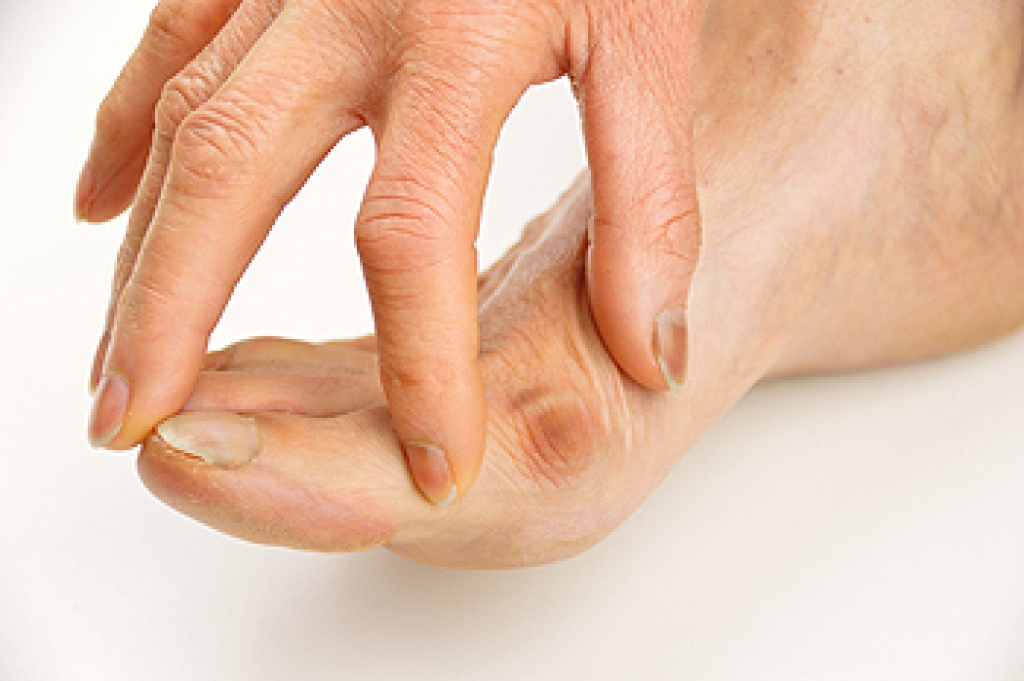
Can Bunions Be Treated?

A bunion is a hard, bony bump that forms at the base of the big toe joint. The bump can be unsightly and cause pain while walking or wearing shoes. It may also push the big toe out of alignment, causing it to lean towards the smaller toes. Bunions tend to become progressively worse over time if they are not treated. Fortunately, bunions can be easily treated. Wearing roomy, comfortable shoes, using orthotic inserts or padding the bunion, and taking over-the-counter pain medications can all help manage bunion pain. For more severe bunions, surgery may be recommended. If you have bunions and would like to learn more about potential treatment options, please consult with a podiatrist.

If you are suffering from bunions, contact Matthew McQuaid, DPM of Lake Mendocino Podiatry. Our doctor can provide the care you need to keep you pain-free and on your feet.

What Is a Bunion?

A bunion is formed of swollen tissue or an enlargement of boney growth, usually located at the base joint of the toe that connects to the foot. The swelling occurs due to the bones in the big toe shifting inward, which impacts the other toes of the foot. This causes the area around the base of the big toe to become inflamed and painful.

Why Do Bunions Form?

Genetics – Susceptibility to bunions are often hereditary

Stress on the feet – Poorly fitted and uncomfortable footwear that places stress on feet, such as heels, can worsen existing bunions

How Are Bunions Diagnosed?

Podiatrists often perform two tests – blood tests and x-rays – when trying to diagnose bunions, especially in the early stages of development. Blood tests help determine if the foot pain is being caused by something else, such as arthritis, while x-rays provide a clear picture of your bone structure to your provider.

How Are Bunions Treated?

  • Refrain from wearing heels or similar shoes that cause discomfort
  • Select wider shoes that can provide more comfort and reduce pain
  • Anti-inflammatory and pain management drugs
  • Orthotics or foot inserts
  • Surgery

If you have any questions, please feel free to contact our offices located in Lakeport and Ukiah, CA . We offer the newest diagnostic and treatment technologies for all your foot care needs.


Read more about Bunions

External Fixation for Ankle Fractures

A broken ankle sometimes requires surgery to fully heal. One method of ankle fracture surgery is external fixation. This surgery is done when the fractured bones are not in their normal positions, are broken into several pieces, or are sticking out through the skin. In an external fixation surgery, pins and other devices sticking out of the ankle hold together the broken pieces of bones within the ankle while they heal. You will likely need to avoid physical activity for a period of months while the bones heal. You may require antibiotics, pain medications, and physical therapy following the surgery to prevent infections, reduce pain, and speed recovery. For more information about ankle fractures, please consult with a podiatrist.

Broken ankles need immediate treatment. If you are seeking treatment, contact Matthew McQuaid, DPM from Lake Mendocino Podiatry. Our doctor can provide the care you need to keep you pain-free and on your feet. 

Broken Ankles
A broken ankle is experienced when a person fractures their tibia or fibula in the lower leg and ankle area. Both of these bones are attached at the bottom of the leg and combine to form what we know to be our ankle.

When a physician is referring to a break of the ankle, he or she is usually referring to a break in the area where the tibia and fibula are joined to create our ankle joint. Ankles are more prone to fractures because the ankle is an area that suffers a lot of pressure and stress. There are some obvious signs when a person experiences a fractured ankle, and the following symptoms may be present.

Symptoms of a Fractured Ankle

  • Excessive pain when the area is touched or when any pressure is placed on the ankle
  • Swelling around the area
  • Bruising of the area
  • Area appears to be deformed

If you suspect an ankle fracture, it is recommended to seek treatment as soon as possible. The sooner you have your podiatrist diagnose the fracture, the quicker you’ll be on the way towards recovery.

If you have any questions, please feel free to contact our offices located in Lakeport and Ukiah, CA . We offer the newest diagnostic and treatment technologies for all your foot care needs.
Read more about All About Broken Ankle

Tips to Help Prevent Common Running Injuries

Avid runners may be familiar with the many foot and ankle injuries that can occur while running. Some of these include Achilles tendinitis, plantar fasciitis, and shin splints. Achilles tendinitis can occur when too much stress is placed on the Achilles tendon. This injury can be prevented by strengthening the calf muscles and increasing workout intensity slowly, and pain can be decreased by reducing the stress placed on the tendon. Plantar fasciitis is the inflammation of the tissue that runs along the bottom of the foot, and typically causes heel pain. This can be prevented by stretching and strengthening the feet and making sure that you are wearing the right size and fit of shoe, with proper arch support. If you have plantar fasciitis, taking a break from running and resting the feet is recommended. A shin splint is characterized by pain along the sides of your shin bone. This can be avoided by increasing the intensity and duration of your runs gradually, and can be treated by resting and icing the area. If you are experiencing any foot or ankle pain as a result of running, please seek the care of a podiatrist who can offer the right treatment and prevention options for you.

Exercising your feet regularly with the proper foot wear is a great way to prevent injuries. If you have any concerns about your feet, contact Matthew McQuaid, DPM of Lake Mendocino Podiatry. Our doctor will treat your foot and ankle needs.

How to Prevent Running Injuries

Many common running injuries are caused by overuse and overtraining. When the back of the kneecap starts wearing out and starts causing pain in your knee, this is commonly referred to as runner’s knee. Runner’s knee is a decrease in strength in your quadriceps and can occur if you’re not wearing properly fitted or supporting shoes. To prevent runner’s knee, focusing on hip strengthening is a good idea, as well as strengthening your quads to keep the kneecaps aligned.

What Are Some Causes of Running Injuries? 
- One cause of a common running injury is called iliotibial band syndrome.
- Plantar fasciitis is also another common injury.
- Stress fractures can occur from overtraining, lack of calcium, or even your running style.

Best Ways to Prevent Running Injuries
- Wear footwear that fits properly and suits your running needs.
- Running shoes are the only protective gear that runners have to safeguard them from injury.
- Make a training schedule. Adding strengthening exercises as well as regular stretching can help keep you strong and limber and can lessen the possibility of injuries.
- Stretching keeps muscles limber; this will help you gain better flexibility.

If you have any questions, please feel free to contact our offices located in Lakeport and Ukiah, CA . We offer the newest diagnostic and treatment technologies for all your foot care needs.

Read more about How to Prevent Running Injuries

How Plantar Warts Can Rub You the Wrong Way

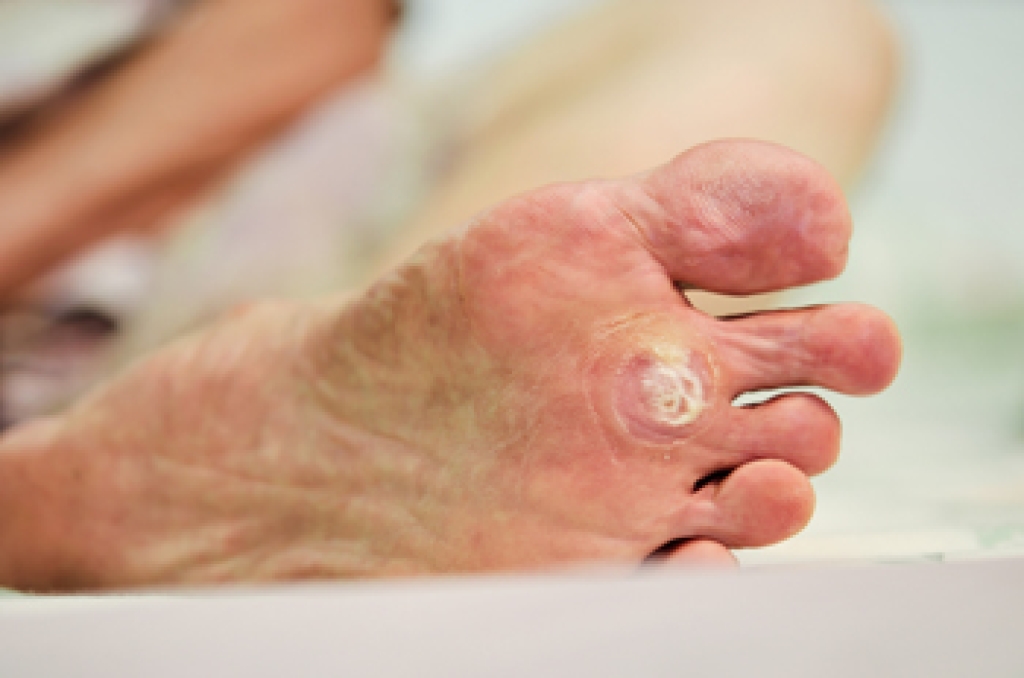
Certain strains of Human Papillomavirus (HPV) can produce individual or clustered plantar warts on the sole of the foot where there is friction or pressure. Although harmless, these small and flat lesions can be uncomfortable or even painful. Plantar warts are contagious and can spread from person to person in communal spaces like public showers. They are most common in 12-16 year olds, and people most at risk for plantar warts have weakened immune systems, or cuts or scrapes on their feet. These warts can eventually disappear, but it may take years for them to do so. Home remedies for pain relief or removal may be tempting, but they can be ineffective or even risky. For professional treatment, consult with a podiatrist who has many effective and safe ways to remove or resolve plantar warts.

Plantar warts can be very uncomfortable. If you need your feet checked, contact Matthew McQuaid, DPM from Lake Mendocino Podiatry. Our doctor will assist you with all of your foot and ankle needs.

About Plantar Warts

Plantar warts are the result of HPV, or human papillomavirus, getting into open wounds on the feet. They are mostly found on the heels or balls of the feet.

While plantar warts are generally harmless, those experiencing excessive pain or those suffering from diabetes or a compromised immune system require immediate medical care. Plantar warts are easily diagnosed, usually through scraping off a bit of rough skin or by getting a biopsy.

Symptoms

  • Lesions on the bottom of your feet, usually rough and grainy
  • Hard or thick callused spots
  • Wart seeds, which are small clotted blood vessels that look like little black spots
  • Pain, discomfort, or tenderness of your feet when walking or standing

Treatment

  • Freezing
  • Electric tool removal
  • Laser Treatment
  • Topical Creams (prescription only)
  • Over-the-counter medications

To help prevent developing plantar warts, avoid walking barefoot over abrasive surfaces that can cause cuts or wounds for HPV to get into. Avoiding direct contact with other warts, as well as not picking or rubbing existing warts, can help prevent the further spread of plantar warts. However, if you think you have developed plantar warts, speak to your podiatrist. He or she can diagnose the warts on your feet and recommend the appropriate treatment options.

If you have any questions, please feel free to contact our offices located in Lakeport and Ukiah, CA . We offer the newest diagnostic and treatment technologies for all your foot care needs.

Read more about Plantar Warts

Plantar Warts Can Be Treated!

Plantar warts are small growths that develop on parts of the feet that bear weight. They're typically found on the bottom of the foot. Don't live with plantar warts, and call us today!

scroll-to-top
Request Appointment