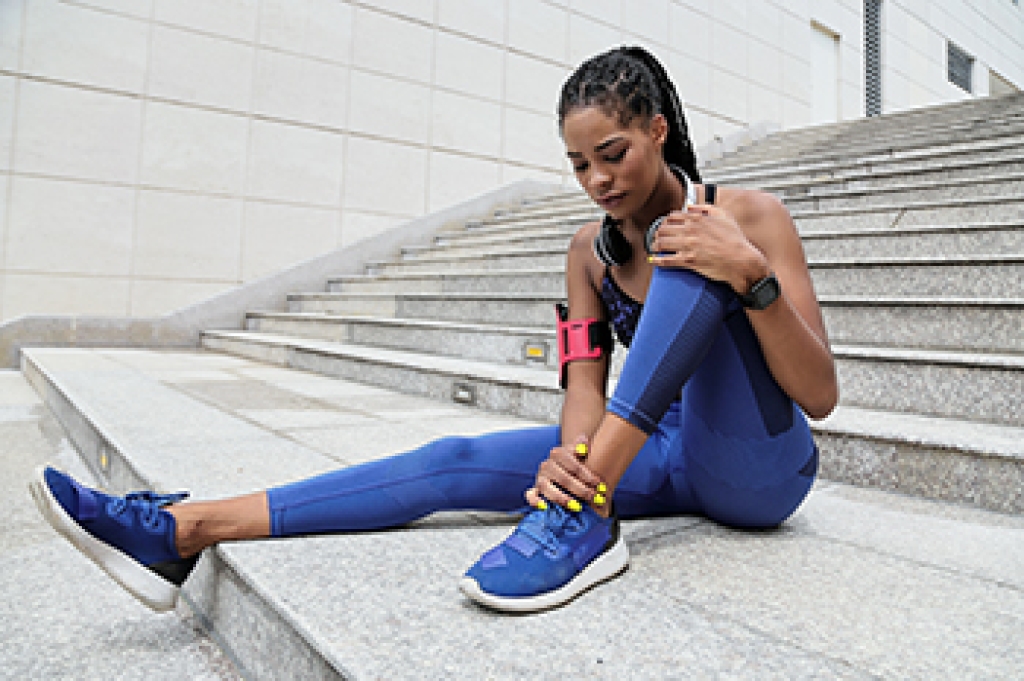
Running Injuries That Affect the Feet and How to Prevent Them

Running can place repetitive stress on the feet, leading to common injuries like plantar fasciitis, stress fractures, Achilles tendon irritation, and pain along the top or ball of the foot. These conditions often develop from overuse, improper footwear, or inefficient running mechanics. Prevention begins with adopting a low- impact running form that reduces strain. Running with short strides and a quick cadence helps limit excessive force. Landing lightly on the ball of the foot rather than the toes, and quickly lifting the foot off the ground can improve efficiency and decrease stress. Proper stretching and recovery are also essential. A podiatrist can evaluate gait and recommend support. If you have sustained a foot or ankle injury while running, it is suggested that you consult a podiatrist who can evaluate gait, and guide you toward appropriate treatment solutions.

Exercising your feet regularly with the proper foot wear is a great way to prevent injuries. If you have any concerns about your feet, contact Matthew McQuaid, DPM of Lake Mendocino Podiatry. Our doctor will treat your foot and ankle needs.

How to Prevent Running Injuries

Many common running injuries are caused by overuse and overtraining. When the back of the kneecap starts wearing out and starts causing pain in your knee, this is commonly referred to as runner’s knee. Runner’s knee is a decrease in strength in your quadriceps and can occur if you’re not wearing properly fitted or supporting shoes. To prevent runner’s knee, focusing on hip strengthening is a good idea, as well as strengthening your quads to keep the kneecaps aligned.

What Are Some Causes of Running Injuries? 
- One cause of a common running injury is called iliotibial band syndrome.
- Plantar fasciitis is also another common injury.
- Stress fractures can occur from overtraining, lack of calcium, or even your running style.

Best Ways to Prevent Running Injuries
- Wear footwear that fits properly and suits your running needs.
- Running shoes are the only protective gear that runners have to safeguard them from injury.
- Make a training schedule. Adding strengthening exercises as well as regular stretching can help keep you strong and limber and can lessen the possibility of injuries.
- Stretching keeps muscles limber; this will help you gain better flexibility.

If you have any questions, please feel free to contact our offices located in Lakeport and Ukiah, CA . We offer the newest diagnostic and treatment technologies for all your foot care needs.
Read more about Preventing Running Injuries

Causes of Foot Pain While Cycling

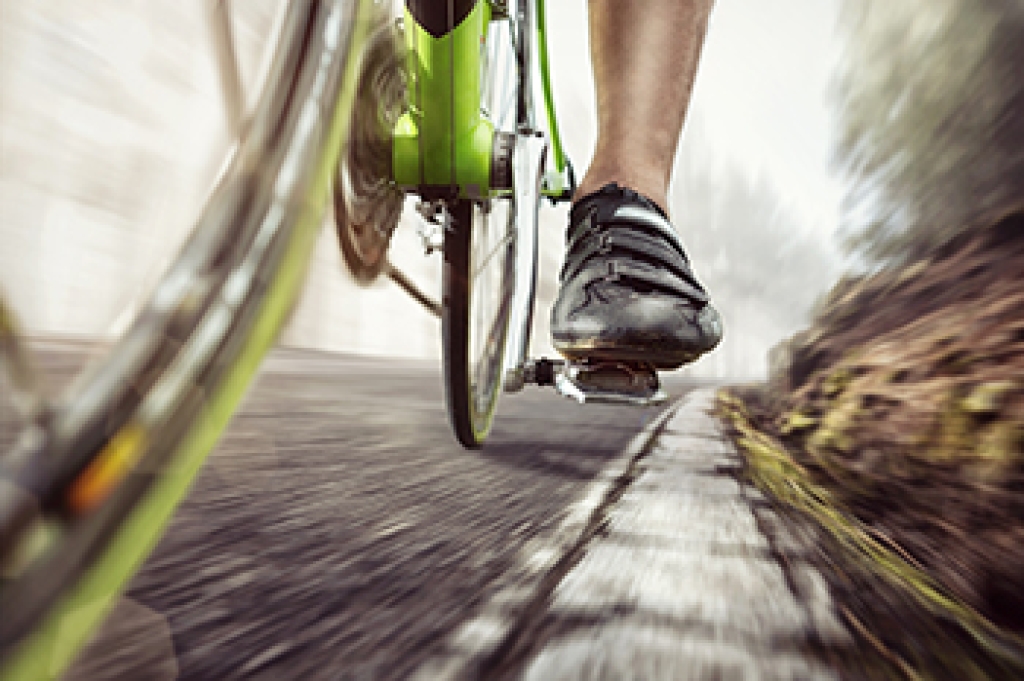
Foot pain while cycling is a common issue often linked to shoes, pedals, and lack of proper support. Cycling shoes that are too tight or poorly fitted can restrict circulation and cause hot feet, numbness, or burning sensations. Pedals that do not match foot position or riding style may increase pressure on sensitive areas. A well-supported foot is essential for even force distribution and efficient movement. Without proper support, cyclists may experience arch pain or pain in the ball of the foot during or after rides. These issues can affect performance and comfort. A podiatrist can evaluate foot structure and shoe fit, in addition to recommending proper footwear or custom support. If cycling causes ongoing foot pain, it is suggested that you consult a podiatrist who can treat various foot conditions, and guide you on the correct shoes to wear for cycling.

Ankle and foot injuries are common among athletes and in many sports. They can be caused by several problems and may be potentially serious. If you are feeling pain or think you were injured in a sporting event or when exercising, consult with Matthew McQuaid, DPM from Lake Mendocino Podiatry. Our doctor will assess your condition and provide you with quality foot and ankle treatment.

Common Injuries

The most common injuries that occur in sporting activities include:

  • Achilles Tendonitis
  • Achilles Tendon Rupture
  • Ankle Sprains
  • Broken Foot
  • Plantar Fasciitis
  • Stress Fractures
  • Turf Toe

Symptoms

Symptoms vary depending upon the injury and in some cases, there may be no symptoms at all. However, in most cases, some form of symptom is experienced. Pain, aching, burning, bruising, tenderness, tightness or stiffness, sensation loss, difficulty moving, and swelling are the most common symptoms.

Treatment

Just as symptoms vary depending upon the injury, so do treatment options. A common treatment method is known as the RICE method. This method involves rest, applying ice, compression and elevating the afflicted foot or ankle. If the injury appears to be more serious, surgery might be required, such as arthroscopic or reconstructive surgery. Lastly, rehabilitation or therapy might be needed to gain full functionality in the afflicted area. Any discomfort experienced by an athlete must be evaluated by a licensed, reputable medical professional.  

If you have any questions please contact our offices located in Lakeport and Ukiah, CA . We offer the newest diagnostic and treatment technologies for all your foot and ankle needs.

Read more about Sports Related Foot and Ankle Injuries

Do Your Child's Feet Hurt?

Have your child's feet been examined lately? Healthy feet are happy feet. If your child is complaining of foot pain, it may be a sign of underlying problems.

Flat Feet Causes and Symptoms

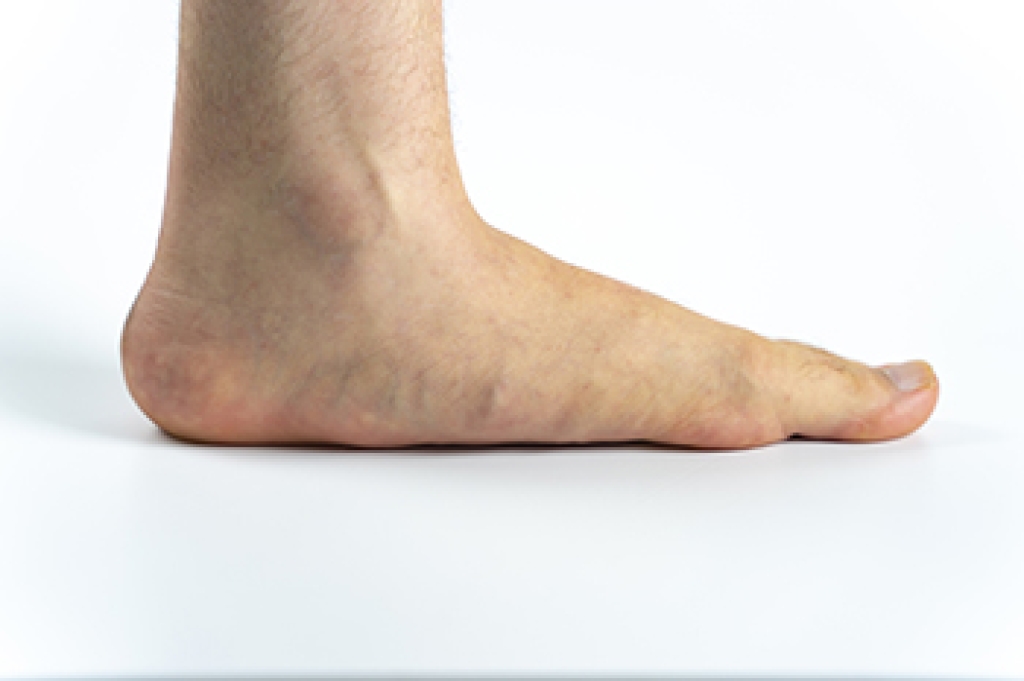
Flat feet is a condition in which the arches of the feet are low or absent, causing the entire sole to contact the ground while standing or walking. Some people do not experience issues, while others develop symptoms such as foot fatigue, aching pain in the arches or heels, swelling along the inside of the ankle, and discomfort with activity. Causes may include genetics, ligament laxity, injury, arthritis, or changes that occur with aging. Risk factors include obesity, prolonged standing, and certain medical conditions. A podiatrist can evaluate foot structure and gait and recommend treatments such as supportive footwear, custom orthotics, stretching exercises, or advanced care, when needed. If you have flat feet, and foot pain or fatigue limits your daily activities, it is suggested that you consult a podiatrist who can offer effective relief and management tips. 

Flatfoot is a condition many people suffer from. If you have flat feet, contact Matthew McQuaid, DPM from Lake Mendocino Podiatry. Our doctor will treat your foot and ankle needs.

What Are Flat Feet?

Flatfoot is a condition in which the arch of the foot is depressed and the sole of the foot is almost completely in contact with the ground. About 20-30% of the population generally has flat feet because their arches never formed during growth.

Conditions & Problems:

Having flat feet makes it difficult to run or walk because of the stress placed on the ankles.

Alignment – The general alignment of your legs can be disrupted, because the ankles move inward which can cause major discomfort.

Knees – If you have complications with your knees, flat feet can be a contributor to arthritis in that area.  

Symptoms

  • Pain around the heel or arch area
  • Trouble standing on the tip toe
  • Swelling around the inside of the ankle
  • Flat look to one or both feet
  • Having your shoes feel uneven when worn

Treatment

If you are experiencing pain and stress on the foot you may weaken the posterior tibial tendon, which runs around the inside of the ankle. 

If you have any questions, please feel free to contact our offices located in Lakeport and Ukiah, CA . We offer the newest diagnostic and treatment technologies for all your foot care needs.
Read more about Flat Feet

Tips for Selecting Running Shoes

Choosing the right running shoe plays an important role in foot comfort and preventing injuries. Start by considering where you run, as road, trail, and treadmill surfaces place different demands on the feet. Proper fit is essential, with enough room in the toe box to prevent pressure on the toes, while still holding the heel securely. Cushioning should match your body weight and running style, because too little may increase impact stress and too much can affect stability. Pay attention to shoe flexibility and how the sole bends, since this influences foot motion. Replacing running shoes is important because worn materials reduce protection for the feet. A podiatrist can evaluate your foot structure, gait, and running habits to recommend features that support movement and reduce strain. If you experience foot pain after running, it is suggested that you make an appointment with a podiatrist for an exam and treatment options.

For more information about walking shoes versus running shoes, consult with Matthew McQuaid, DPM from Lake Mendocino Podiatry. Our doctor can measure your feet to determine what your needs are and help you find an appropriate pair of footwear.

Foot Health: The Differences between Walking & Running Shoes

There are great ways to stay in shape: running and walking are two great exercises to a healthy lifestyle. It is important to know that running shoes and walking shoes are not interchangeable. There is a key difference on how the feet hit the ground when someone is running or walking. This is why one should be aware that a shoe is designed differently for each activity.

You may be asking yourself what the real differences are between walking and running shoes and the answers may shock you.

Differences

Walking doesn’t involve as much stress or impact on the feet as running does. However, this doesn’t mean that you should be any less prepared. When you’re walking, you land on your heels and have your foot roll forward. This rolling motion requires additional support to the feet.

Flexibility – Walking shoes are designed to have soft, flexible soles. This allows the walker to push off easily with each step.

If you have any questions, please feel free to contact our offices located in Lakeport and Ukiah, CA . We offer the newest diagnostic and treatment technologies for all your foot care needs.

Read more about Walking Shoes vs. Running Shoes
scroll-to-top
Request Appointment