
The Link Between Increased Body Mass and Foot Discomfort

Exploring the correlation between elevated body mass and foot pain unveils a compelling relationship. Excess weight places additional stress on the feet, leading to discomfort and various conditions. The arches, heels, and joints bear the brunt of this burden, potentially resulting in ailments such as plantar fasciitis and osteoarthritis. The arch of the foot may collapse under the strain, causing pain and instability. Additionally, increased body mass may contribute to the degradation of joints, accelerating wear and tear. Overpronation, an inward rolling motion of the foot, becomes more prevalent, exacerbating discomfort. Recognizing this connection is pivotal for those grappling with foot pain, as shedding excess weight through a balanced diet and exercise regimen can significantly alleviate symptoms. If you are overweight and have foot pain, it is suggested that you confer with a podiatrist for treatment..

The more you weigh, the harder your feet must work to support your body. If you’re an obese individual and are concerned about your feet, contact Matthew McQuaid, DPM from Lake Mendocino Podiatry. Our doctor can provide the care you need to keep you pain-free and on your feet.

Obesity and Your Feet

People who are overweight are putting more pressure on their ankles, knees, and hips as well as their feet. This unfortunately can lead to variety of different issues.

Problems & Complications Stemming from Obesity

  • When the body is overweight, it tries to compensate by changing the way that it moves. An obese person may lean forward and put extra weight on the wrong part of the foot. This puts unnecessary stress on the feet.
  • Obese people are also more likely to develop type II diabetes which is a condition that causes a lot of foot problems. People with diabetes often don’t feel the cuts and sores that they may have on their feet, which can lead to more complicated and severe issues.
  • Plantar fasciitis is another foot condition that can be caused by obesity. Plantar fasciitis is an inflammation of the tissue along the bottom of the foot, which causes pain and stiffness while walking and climbing stairs.

If you have any questions please contact our offices located in Lakeport and Ukiah, CA . We offer the newest diagnostic and treatment technologies for all your foot and ankle needs.
Read more about How Obesity Affects Your Feet

Causes and Diagnostic Avenues for Gout

Gout, a form of arthritis, develops when uric acid accumulates in the joints, leading to inflammation and intense pain. The primary cause is an overproduction or underexcretion of uric acid, resulting in crystalline deposits that settle in the joints. Dietary factors, such as excessive consumption of purine-rich foods, can contribute to elevated uric acid levels. Diagnosis involves a comprehensive examination of symptoms that include sudden, severe joint pain, swelling, and redness. Podiatrists may conduct blood tests to measure uric acid levels and analyze joint fluid for crystal presence. Imaging studies, such as X-rays or ultrasounds, aid in assessing joint damage. A meticulous evaluation helps differentiate gout from other forms of arthritis, enabling podiatrists to devise an effective treatment plan. If you have joint pain in your feet and believe it might be caused by gout, it is suggested that you are under the care of a podiatrist who can successfully treat this condition and offer preventive tips.

Gout is a painful condition that can be treated. If you are seeking treatment, contact Matthew McQuaid, DPM from Lake Mendocino Podiatry. Our doctor will treat your foot and ankle needs.

What Is Gout?

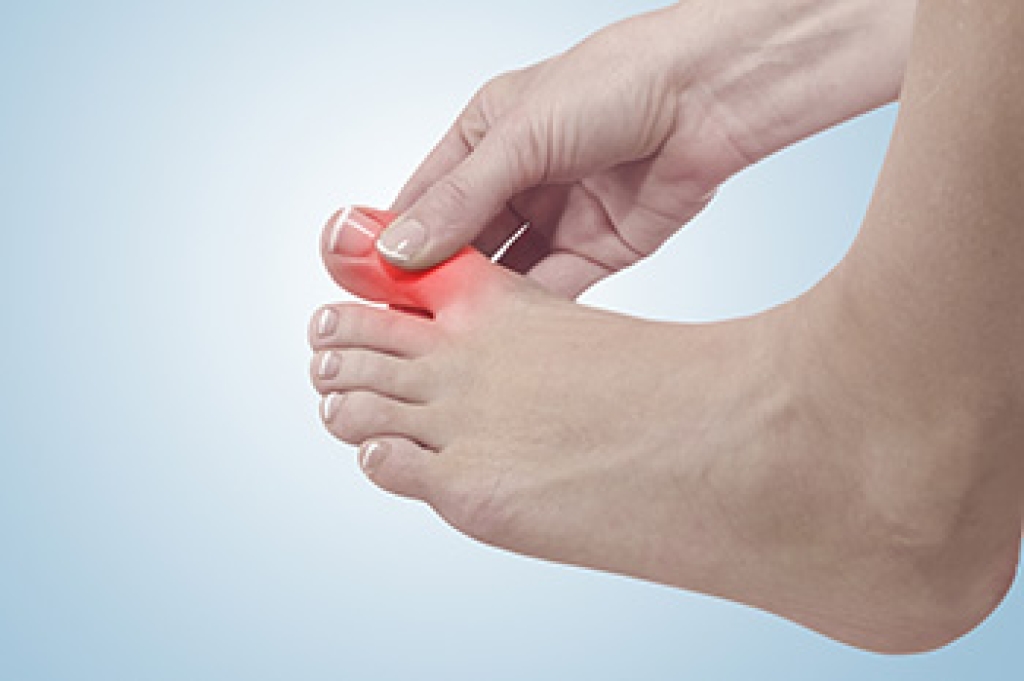
Gout is a form of arthritis that is characterized by sudden, severe attacks of pain, redness, and tenderness in the joints. The condition usually affects the joint at the base of the big toe. A gout attack can occur at any random time, such as the middle of the night while you are asleep.

Symptoms

  • Intense Joint Pain - Usually around the large joint of your big toe, and it most severe within the first four to twelve hours
  • Lingering Discomfort - Joint discomfort may last from a few days to a few weeks
  • Inflammation and Redness -Affected joints may become swollen, tender, warm and red
  • Limited Range of Motion - May experience a decrease in joint mobility

Risk Factors

  • Genetics - If family members have gout, you’re more likely to have it
  • Medications - Diuretic medications can raise uric acid levels
  • Gender/Age - Gout is more common in men until the age of 60. It is believed that estrogen protects women until that point
  • Diet - Eating red meat and shellfish increases your risk
  • Alcohol - Having more than two alcoholic drinks per day increases your risk
  • Obesity - Obese people are at a higher risk for gout

Prior to visiting your podiatrist to receive treatment for gout, there are a few things you should do beforehand. If you have gout you should write down your symptoms--including when they started and how often you experience them, important medical information you may have, and any questions you may have. Writing down these three things will help your podiatrist in assessing your specific situation so that he or she may provide the best route of treatment for you.

If you have any questions, please feel free to contact our offices located in Lakeport and Ukiah, CA . We offer the newest diagnostic and treatment technologies for all your foot care needs.

Read more about Everything You Need to Know About Gout

Heel Pain Can Be Treated!

Do you suffer from heel pain when you get up in the morning? If so, you should seek professional help and have a proper diagnosis performed. Heel pain can be caused by several different foot-related conditions.

What Causes Plantar Fasciitis?

Plantar fasciitis, a prevalent foot condition, unfolds as a result of inflammation in the plantar fascia, a thick band of tissue that spans the bottom of the foot. This inflammation leads to symptoms that are distinctive yet often underestimated. A primary symptom is heel pain, particularly felt during the initial steps after periods of rest. The discomfort may also escalate after prolonged periods of standing or intense physical activity. The causes of plantar fasciitis are commonly rooted in excessive strain on the plantar fascia, due to activities like running, standing for extended periods, or inadequate footwear. Weight gain, tight calf muscles, and certain biomechanical issues can also contribute to the development of this condition. Recognizing the nuanced interplay of symptoms and causes is essential for prompt diagnosis and the implementation of effective strategies to alleviate pain. If you have heel pain, it is suggested that you consult a podiatrist for a diagnosis and an appropriate treatment plan.

Plantar fasciitis is a common foot condition that is often caused by a strain injury. If you are experiencing heel pain or symptoms of plantar fasciitis, contact Matthew McQuaid, DPM from Lake Mendocino Podiatry. Our doctor can provide the care you need to keep you pain-free and on your feet.

What Is Plantar Fasciitis?

Plantar fasciitis is one of the most common causes of heel pain. The plantar fascia is a ligament that connects your heel to the front of your foot. When this ligament becomes inflamed, plantar fasciitis is the result. If you have plantar fasciitis you will have a stabbing pain that usually occurs with your first steps in the morning. As the day progresses and you walk around more, this pain will start to disappear, but it will return after long periods of standing or sitting.

What Causes Plantar Fasciitis?

  • Excessive running
  • Having high arches in your feet
  • Other foot issues such as flat feet
  • Pregnancy (due to the sudden weight gain)
  • Being on your feet very often

There are some risk factors that may make you more likely to develop plantar fasciitis compared to others. The condition most commonly affects adults between the ages of 40 and 60. It also tends to affect people who are obese because the extra pounds result in extra stress being placed on the plantar fascia.

Prevention

  • Take good care of your feet – Wear shoes that have good arch support and heel cushioning.
  • Maintain a healthy weight
  • If you are a runner, alternate running with other sports that won’t cause heel pain

There are a variety of treatment options available for plantar fasciitis along with the pain that accompanies it. Additionally, physical therapy is a very important component in the treatment process. It is important that you meet with your podiatrist to determine which treatment option is best for you.

If you have any questions, please feel free to contact our offices located in Lakeport and Ukiah, CA . We offer the newest diagnostic and treatment technologies for all your foot care needs.


Read more about Plantar Fasciitis

Flip Flops May Cause Possible Harm to the Feet

While flip flops may be a staple of warm weather wardrobes, they pose a significant risk to the health of our feet. These flimsy sandals lack proper arch support and cushioning, exposing our feet to a host of issues. The flat, thin soles fail to absorb shock, leading to increased pressure on the heels and arches, which can contribute to conditions like plantar fasciitis. The lack of ankle support also increases the risk of sprains and strains. Additionally, constant gripping to keep flip flops in place can lead to toe deformities and exacerbate existing conditions, such as bunions. The open design exposes feet to external elements, making them susceptible to injuries, infections, and sunburn. Long-term use of flip flops can result in altered walking patterns, affecting overall posture. To safeguard foot health, it is essential to choose footwear that provides adequate support and protection, relegating flip flops to short-term, low impact use. If you are interested in additional information about the impact flip flops may have on the feet, it is suggested that you schedule an appointment with a podiatrist.

Flip-flops can cause a lot of problems for your feet. If you have any concerns about your feet or ankles, contact Matthew McQuaid, DPM from Lake Mendocino Podiatry. Our doctor will assist you with all of your foot and ankle needs.

Flip-Flops and Feet

Flip-flops have managed to become a summer essential for a lot of people. While the shoes may be stylish and easy to slip on and off, they can be dangerous to those who wear them too often. These shoes might protect you from fungal infections such as athlete’s foot, but they can also give you foot pain and sprained ankles if you trip while wearing them.

When Are They Okay to Wear?

Flip-flops should only be worn for very short periods of time. They can help protect your feet in places that are crawling with fungi, such as gym locker rooms. Athlete’s foot and plantar warts are two common fungi that flip-flops may help protect your feet against.

Why Are They Bad for My Feet?

These shoes do not offer any arch support, so they are not ideal for everyday use. They also do not provide shock absorption or heel cushioning which can be problematic for your feet. Additionally, you may suffer from glass cuts, puncture wounds, and stubbed toes since they offer little protection for your feet.

More Reasons Why They Are Bad for Your Feet

  • They Slow You Down
  • May Cause Blisters and Calluses
  • Expose Your Feet to Bacteria

If you have any questions, please feel free to contact our offices located in Lakeport and Ukiah, CA . We offer the newest diagnostic and treatment technologies for all your foot care needs.

Read more about Flip Flops and Your Feet
scroll-to-top
Request Appointment